10 Days Tanzania Safari and Zanzibar Holiday: The Ultimate Bush and Beach Itinerary
Combining the wild, golden savannahs of the Serengeti with the palm-fringed, turquoise shores of Zanzibar is East Africa’s quintessential journey. This 10 Days Tanzania Safari and Zanzibar Holiday bridges two distinct worlds: the thrilling adrenaline of tracking lion prides across the open plains and the tranquil, spice-scented calm of the Indian Ocean.
However, designing a seamless 10-day itinerary requires precise planning. Tanzania is vast—spanning nearly 950,000 square kilometres—and trying to compress too many national parks into a single trip can turn a dream holiday into an exhausting marathon of long drives and dusty transfers.
This comprehensive guide breaks down a proven, highly efficient 10 days Tanzania safari and Zanzibar holiday route. It details exact day-by-day logistics, seasonal wildlife movements, flight transitions, realistic costs, and coastal region comparisons, helping you curate an unforgettable bush-and-beach balance.
At a Glance: The 10-Day Bush & Beach Route Overview
To maximize your time in front of wildlife and on the beach, this route focuses on Northern Tanzania’s premier wildlife reserves before utilizing a direct domestic flight to the Zanzibar archipelago. A 10-day Tanzania safari and Zanzibar holiday typically combines a 6-day overland safari through Tarangire, Ngorongoro Crater, and the Serengeti with a direct 2-hour domestic flight to Zanzibar for 4 days of beach relaxation. Peak travel months are June through October and January through March, with costs ranging from $3,800 to $9,800+ USD per person.
Arusha ➔ Tarangire National Park ➔ Ngorongoro Crater ➔ Serengeti National Park ➔ Flight to Zanzibar ➔ Stone Town & Coastal Resort
| Route Segment | Primary Highlight | Recommended Duration | Transport Mode |
| Day 1: Arrival & Briefing | Arusha Coffee Plantations / Rest | 1 Night | Airport Transfer (45 min from JRO) |
| Day 2: Tarangire National Park | Elephant herds & ancient Baobabs | 1 Night | Private 4×4 Land Cruiser (2.5 hrs) |
| Day 3: Ngorongoro Crater | Big Five density in an extinct caldera | 1 Night | Private 4×4 Land Cruiser (2 hrs) |
| Days 4–6: Central/Northern Serengeti | Great Migration & Predator tracking | 3 Nights | Overland drive via Olduvai / Game drives |
| Days 7–9: Zanzibar Coast | Coral reefs, spice tours & beach relaxation | 3 Nights | Direct Bush Flight (2 hrs from Seronera) |
| Day 10: Stone Town & Departure | Swahili architecture & historic spice markets | Day Use / Transfer | Taxi to Abeid Amani Karume Airport (ZNZ) |
Why 10 Days Is the Ideal Bush and Beach Duration
Ten days offers the “sweet spot” for international travellers seeking both world-class wildlife encounters and genuine coastal downtime.
Fewer than six days on safari often results in rushed game drives, while spending more than a week in a safari vehicle can lead to “safari fatigue”—where even another lion sighting loses a bit of its novelty. Splitting your time into 5 to 6 days of intensive wildlife viewing followed by 4 days of island relaxation creates a naturally balanced vacation rhythm.
SAFARI PHASE (DAYS 1–6): High energy, early morning game drives, immersive tracking
TRANSITION (DAY 7): Scenic bush flight over the Great Rift Valley to the Indian Ocean
BEACH PHASE (DAYS 7–10): Slower pace, ocean breezes, water sports, historic exploration
By utilizing a “drive-in, fly-out” safari model—driving from Arusha through Tarangire and Ngorongoro into the Serengeti, then flying directly from the Serengeti to Zanzibar—you eliminate back-tracking over rough dirt roads and gain a full extra day of relaxation on the beach on this Tanzania safari.
Detailed Day-by-Day Itinerary
Day 1: Arrival in Arusha (The Safari Gateway)
Your journey begins upon landing at Kilimanjaro International Airport (JRO), the primary entry hub for Northern Tanzania’s safari circuit. After clearing customs and immigration, you will be met by your private driver-guide and transferred to your lodge in or around Arusha.
Settle into your surroundings amidst lush coffee plantations beneath the backdrop of Mount Meru. The evening is spent relaxing, adjusting to the time zone, and receiving a comprehensive safari briefing from your guide regarding safety, vehicle features, and the days ahead.
- Overnight: Gran Melia Arusha for Luxury, Rivertrees Country Inn for Mid-range, Zawadi House Lodge for Budget.
- Travel Time: 45 to 60 minutes from JRO Airport.
Day 2: Arusha to Tarangire National Park (Land of Giants)
After an early breakfast, depart Arusha in your customized 4×4 Safari Land Cruiser, heading southwest toward Tarangire National Park. Known as the “Land of Giants,” Tarangire is defined by its dramatic landscape of ancient, oversized baobab trees and the meandering Tarangire River.
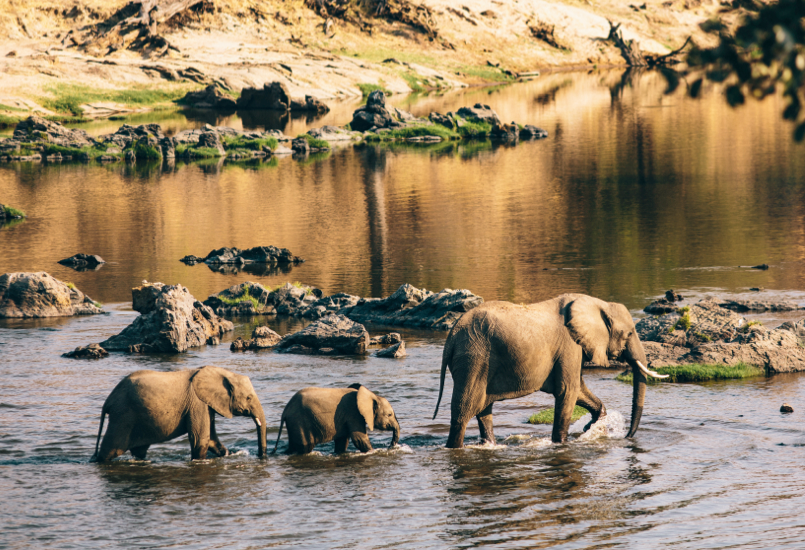
TARANGIRE HIGHLIGHT: Home to East Africa’s highest density of elephant herds.
During the dry season, up to 300 elephants can congregate around a single riverbed.
Spend the morning and afternoon tracking large elephant families digging for underground water in dry riverbeds, along with fringe-eared oryxs, gerenuks, giraffes, lions, and leopards. Tarangire’s rich birdlife includes over 500 recorded species, making it a paradise for birding enthusiasts.
- Overnight: Tarangire / Karatu boundary lodge (e.g., Tarangire Safari Lodge, Maramboi Tented Lodge, or Oliver’s Camp).
- Travel Time: 2.5 hours paved drive from Arusha to Tarangire Gate.
Day 3: The Ngorongoro Crater (The Natural Amphitheatre)
Depart early for the Ngorongoro Conservation Area, a UNESCO World Heritage site centered around the world’s largest intact, unflooded volcanic caldera. Descend 600 metres (2,000 feet) down the steep crater walls onto a 260-square-kilometre floor that shelters a self-contained ecosystem of over 25,000 large mammals.
Because the crater floor is predominantly open grassland and soda lakes, wildlife density is extraordinarily high. It offers your best opportunity in East Africa to spot the endangered Black Rhinoceros alongside large prides of lions, hyenas, hippos, wildebeests, and zebras within a single morning.
Enjoy a picnic lunch beside the hippo-filled waters of Lake Magadi or the Ngoitokitok Springs before ascending the crater walls in the late afternoon to drive toward the high altitude rim or the nearby green highlands of Karatu.
- Overnight: Karatu or Ngorongoro Crater Rim lodge (e.g., Ngorongoro Serena Safari Lodge, Gibb’s Farm, or Neptune Ngorongoro Luxury Lodge).
- Travel Time: 1.5 to 2 hours from Tarangire to Ngorongoro Rim; full day inside the crater.
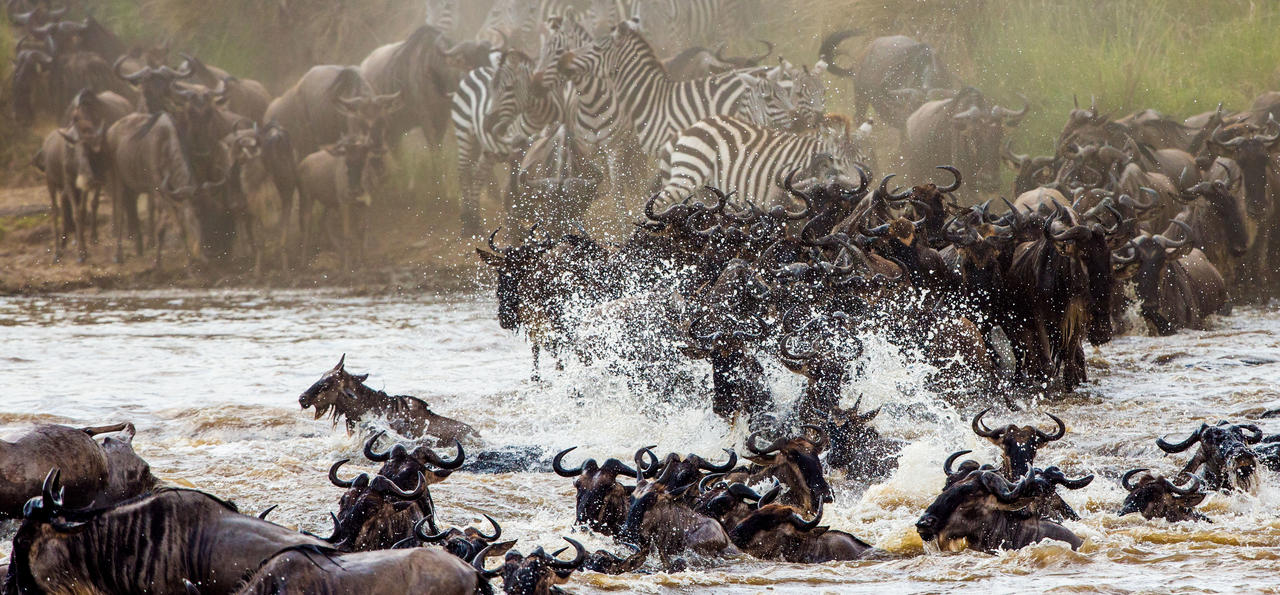
Days 4–6: Serengeti National Park (The Endless Plains)
Leave the highlands behind as you journey northwest into the iconic Serengeti National Park. The transition from the dense, misty forests of the crater rim to the vast, open horizon of the Serengeti plains is one of East Africa’s most breathtaking drives. En route, option exists to pause at Olduvai Gorge, one of the world’s most critical paleoanthropological sites.
SERENGETI EXPEDITION: 3 full days dedicated to big cat tracking and seasonal herd movements.
– Central Serengeti (Seronera): Year-round resident leopards, cheetahs, and lion prides.
– Southern Serengeti (Ndutu): Calving season focus (Jan–Mar).
– Northern Serengeti (Kogatende): River crossings focus (Jul–Oct).
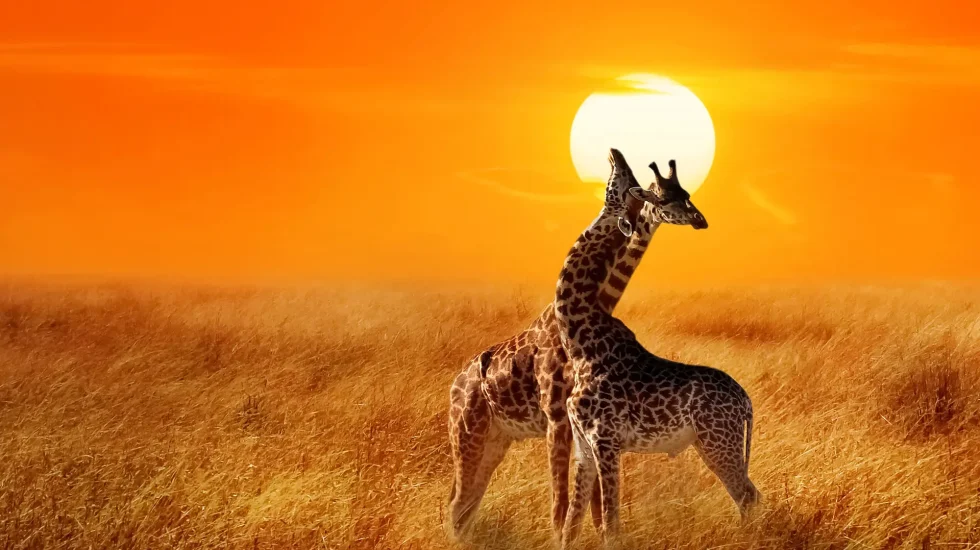
Spend three nights in a classic tented safari camp, placing you in the center of the action. Game drives are structured around peak animal activity—early mornings as predators return from night hunts, and late afternoons when the golden light bathes the plains.
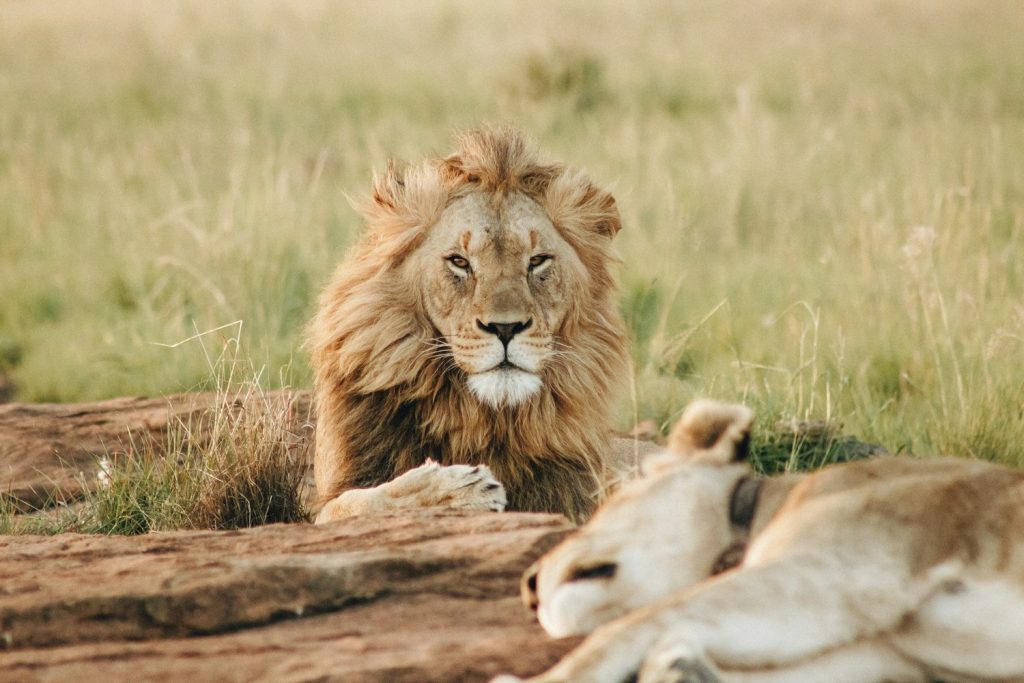
You’ll track large lion coalitions resting on granite kopjes (rocky outcrops), spot cheetahs scanning the tall grasses, and watch large herds of ungulates navigate the ecosystem.
- Overnight: Central, Western, or Northern Serengeti Tented Camps and Lodges (e.g., Sayari Camp, Dunia Camp, Kubu Kubu Tented Lodge, or Acacia Serengeti Camp, et al).
- Travel Time: 3 to 4 hours overland drive from Ngorongoro to Central Serengeti (including transit game drives).
Days 7–9: Serengeti to Zanzibar Coast (Bush to Beach Transition)
On Day 7, trade the dust of the savannah for the turquoise waters of the Indian Ocean. After a final early morning game drive, transfer to the nearest Serengeti airstrip (e.g., Seronera Airstrip [SEU] or Kogatende Airstrip [KAD]).
Board a domestic light aircraft for a direct 2-hour scenic bush flight across mainland Tanzania, landing directly at Abeid Amani Karume International Airport (ZNZ) in Zanzibar.
TRANSITION LOGISTICS:
Morning: Game drive in Serengeti ➔ 11:00 AM – 12:00OM Bush Flight
Afternoon: Check into your coastal beach resort and swim into the Indian Ocean.
Upon arrival in Zanzibar, a private driver will transfer you to your beachfront resort. Spend the next three days unwinding. Options include snorkeling or diving along the coral reefs of Mnemba Atoll, taking a dhow boat cruise at sunset, kite surfing, or simply relaxing on powder-white sands.
- Overnight: Zuri Zanzibar, Kilindi Zanzibar, Baraza Resort & Spa, or The Palms for Luxury, Nungwi Dreams by Mantis (Seaview view rooms) for Mid-range, Fun Beach Resort for Budget.
- Travel Time: 2-hour flight from Serengeti to Zanzibar + 1 to 1.5-hour road transfer to beach resort.
Day 10: Stone Town Cultural Tour & Departure
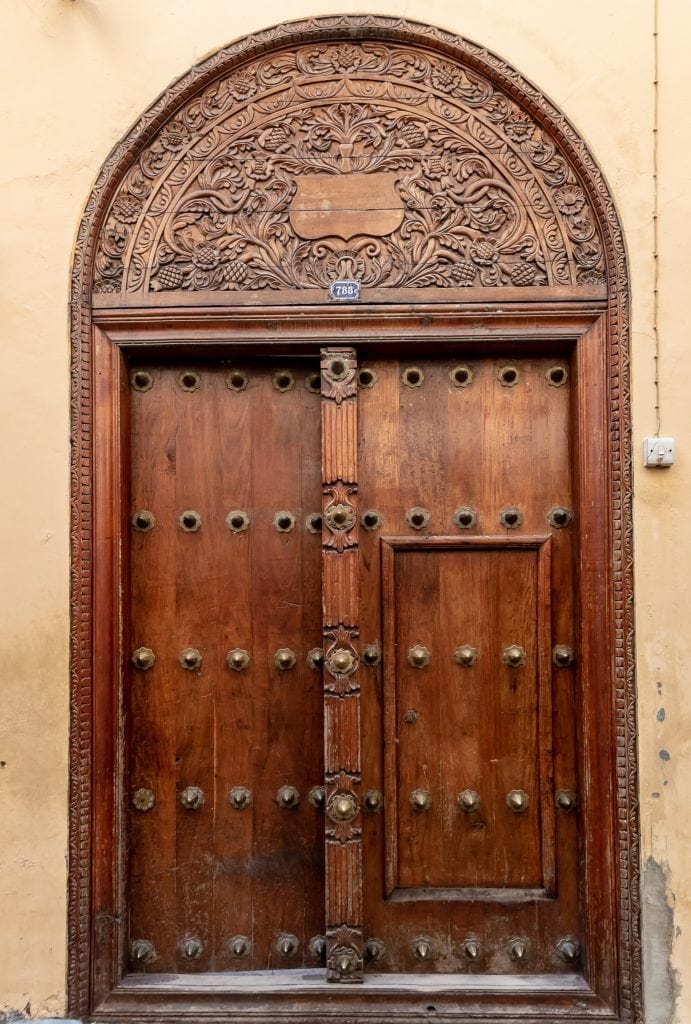
On your final day, check out of your beach resort and travel south to Stone Town, the historic heart of Zanzibar and a UNESCO World Heritage site. Accompanied by a local guide, navigate the narrow, winding alleys lined with carved wooden doors, coral-stone buildings, and vibrant bazaars.
Visit key historical landmarks including the House of Wonders, the Old Fort, the former Slave Market Site, and the bustling Darajani Market.
Before heading to the airport, indulge in a rooftop lunch overlooking the harbor, savoring fresh seafood infused with coconut, cloves, cinnamon, and cardamon—a culinary nod to Zanzibar’s rich history as a global spice trading hub. Finally, transfer to Abeid Amani Karume International Airport (ZNZ) for your evening homeward flight.
- Travel Time: 1 hour drive from Northern Coast to Stone Town; 15 minutes from Stone Town to ZNZ Airport.
Best Time For Tanzania Safari and Zanzibar: Matching Wildlife and Weather
Because Tanzania’s climate shifts between distinct dry and wet periods, timing your trip influences what you will see in the bush and experience on the beach.
PEAK DRY SEASON (JUN–OCT): Prime wildlife viewing, dry beach weather, migration river crossings.
CALVING SEASON (JAN–MAR): 8,000 wildebeest born daily in South Serengeti, warm beach weather.
GREEN SEASON (APR–MAY): Lush landscapes, fewer tourists, rain showers, discounted rates.
-
June to October (The Main Dry Season)
- Safari Conditions: Vegetation thins out and waterholes dry up, forcing wildlife to concentrate around permanent water sources like the Seronera, Tarangire, and Mara rivers. This is the prime period to witness the famous Mara River crossings in the Northern Serengeti.
- Zanzibar Weather: Clear skies, low humidity, and pleasant sea breezes with temperatures averaging 25°C to 28°C (77°F to 82°F).
- Trade-Offs: Higher permit/lodge demand; national parks and popular beach areas see higher visitor numbers.
-
January to March (The Calving Season & Summer)
- Safari Conditions: The Great Migration herds assemble on the nutrient-rich short-grass plains of the Southern Serengeti and Ndutu area. Over 8,000 wildebeest calves are born daily during a compressed 2 to 3-week window in February, triggering intense predator interactions (lions, cheetahs, hyenas).
- Zanzibar Weather: Hot, sunny summer days ideal for swimming and water sports, with temperatures reaching 32°C (90°F).
- Trade-Offs: Higher afternoon temperatures on safari.
-
November to December (The Short Rains)
- Safari Conditions: Brief, localized rain showers nourish the plains, causing the migration herds to move south from Kenya back into Tanzania. Landscapes turn vibrant green, and migratory birds arrive in vast numbers.
- Zanzibar Weather: Mostly sunny with occasional short tropical rain bursts that clear quickly.
- Trade-Offs: Muddy tracks in parks; lower visitor crowds.
-
April to May (The Long Rains / Green Season)
- Safari Conditions: Heavy rainfall transforms the savannah into a green paradise. Herbivores disperse, making tracking more challenging, though wildlife remains abundant.
- Zanzibar Weather: High humidity and persistent tropical rainfall. Many luxury beach resorts close for maintenance during these two months.
- Trade-Offs: Several lodges close; however, those remaining open offer substantial green season discounts for travellers who don’t mind rain.
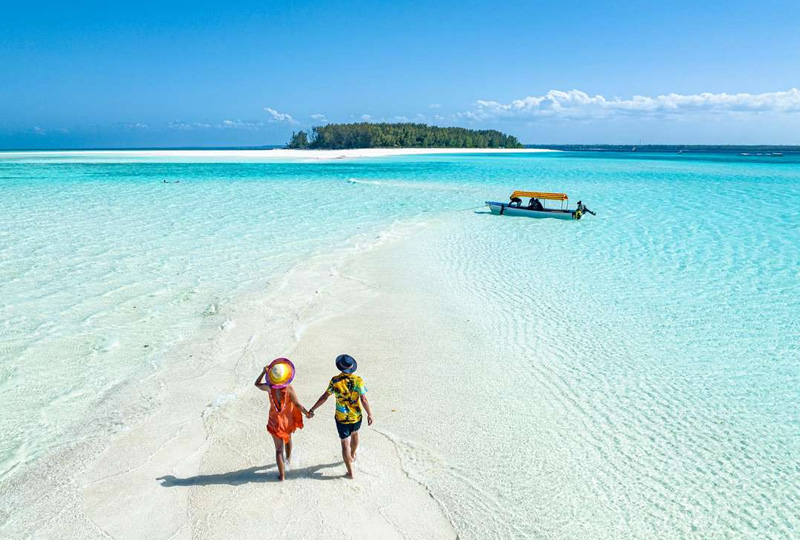
Choosing the Right Zanzibar Coast for Your Bush to Beach Safari
Not all beaches in Zanzibar offer the same experience. The island’s eastern coast experiences dramatic tidal fluctuations, whereas the northern coast remains swimmable throughout the entire day.
NORTH COAST (Nungwi & Kendwa): Non-tidal, swimmable all day, lively atmosphere.
EAST COAST (Matemwe, Kiwengwa, Paje): Tidal lagoons, peaceful, world-class kite surfing.
SOUTH-WEST COAST (Fumba & Stone Town): Historic, spice farms, mangrove eco-tours.
Northern Coast (Nungwi & Kendwa)
- The Vibe: Vibrant, social, and turquoise-water focused.
- Tidal Impact: Very low. The sea does not recede significantly, meaning you can swim in deep ocean waters at both high and low tide.
- Best For: Travellers who prioritize all-day swimming, sunset dhow cruises, beach restaurants, and active nightlife.
North-East Coast (Matemwe & Kiwengwa)
- The Vibe: Peaceful, high-end, and secluded.
- Tidal Impact: Moderate to High. At low tide, the ocean recedes up to a kilometre, revealing expansive coral sand flats and shallow lagoons ideal for reef walking with aqua shoes.
- Best For: Honeymooners, luxury seekers, and those wanting easy access to diving and snorkeling at the famous Mnemba Atoll.
South-East Coast (Paje, Jambiani & Bwejuu)
- The Vibe: Bohemian, relaxed, and active.
- Tidal Impact: High. Expansive white sand beaches that transform into vast tidal flats at low tide.
- Best For: Kite surfers (Paje is a world-class kite-surfing hub), culture lovers, and travellers seeking boutique, locally operated eco-lodges.
Logistics, Transport, and Small Aircraft Rules
Navigating Tanzania efficiently requires understanding the regional transport ecosystem.
DRIVE-IN / FLY-OUT LOGISTICS:
Road Transfer: Arusha ➔ Tarangire ➔ Ngorongoro ➔ Serengeti (Private 4×4 Land Cruiser)
Flight Transfer: Serengeti Airstrip ➔ Zanzibar Airport (Scheduled Light Aircraft)
-
The Safari Vehicle (Custom 4×4 Land Cruiser)
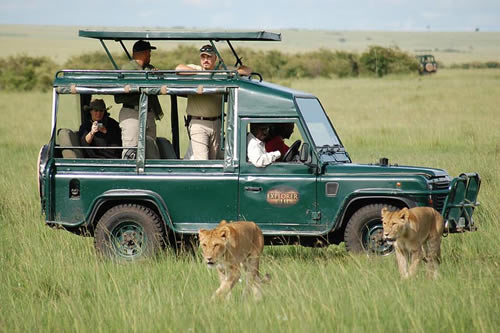
For the overland safari leg, insistence on a private 4×4 Safari Land Cruiser is essential. These vehicles are engineered for rough African terrain, featuring:
- Pop-up roofs for unobstructed 360-degree photography.
- On-board fridge/cool boxes stocked with cold water.
- Charging sockets (USB and UK 3-pin plugs) for camera gear.
- Extended suspension for comfort over corrugated dirt roads (murram).
-
Domestic Bush Flight Luggage Restrictions
The flight from the Serengeti to Zanzibar is operated by regional airlines using turboprop aircraft such as the Cessna Grand Caravan (C208B) or Dash 8.
- Strict Weight Limit: Most domestic bush flight operators strictly enforce a total luggage allowance of 15kg to 20kg (33lbs to 44lbs) per passenger, including hand luggage.
- Bag Style: Bags MUST be soft-sided duffel bags without rigid frames or hard wheels. Soft luggage allows ground crews to pack bags tightly into narrow belly pods beneath the aircraft.
- Excess Luggage: If your international luggage exceeds these limits, your safari operator can arrange for extra bags to be stored safely in Arusha and re-routed, or you must purchase an additional “seat for luggage” on the domestic flight in advance.
Cost Breakdown and Budget Realities – 10 Days Tanzania Safari and Zanzibar Holiday
A 10-day Tanzania safari and Zanzibar holiday involves fixed park entry fees, conservation levies, transit fees, flight costs, and lodge rates. Understanding these components prevents unexpected surprises.
APPROXIMATE COST PER PERSON (BASED ON DOUBLE OCCUPANCY):
Mid-Range Safari & Beach: $3,800 – $5,200 USD
Luxury Safari & Beach: $6,500 – $9,800 USD
Ultra-Luxury / Private Fly-In: $11,000 – $18,000+ USD
What Drives the Cost?
- Mandatory Park & Conservation Fees: Tanzania’s park fees are among the highest in Africa, reflecting the country’s commitment to low-density, high-value conservation.
- Serengeti National Park: ~$70–$80 USD entry fee per 24 hours + $50–$60 USD nightly lodge concession fee per adult.
- Ngorongoro Crater: ~$70 USD individual park entry fee + $295 USD crater descent vehicle permit per entry.
- Tarangire National Park: ~$50–$70 USD entry fee per 24 hours.
-
Transport & Domestic Flights:
- Private 4×4 Land Cruiser rental with driver-guide: ~$250–$350 USD per day (split among passengers).
- One-way domestic bush flight (Serengeti to Zanzibar): ~$400–$550 USD per person.
-
Accommodation Standards:
- Mid-Range: Comfortable permanent tented camps and 4-star beach resorts with en-suite bathrooms, hot showers, and swimming pools.
- Luxury: High-end boutique camps offering fine dining, private verandas, butler service, plunge pools, and prime locations inside park boundaries.
Frequently Asked Questions
Is 10 days enough for a Tanzania safari and Zanzibar?
Yes. Ten days is the ideal duration to combine 5 to 6 days of high-density wildlife viewing in Tarangire, Ngorongoro, and the Serengeti with 3 to 4 days of relaxation on Zanzibar’s white-sand beaches, provided you fly directly from the Serengeti to Zanzibar rather than driving back to Arusha.
How do you get from Serengeti to Zanzibar?
The most efficient route is a direct domestic bush flight from a Serengeti airstrip (such as Seronera, Kogatende, or Ndutu) to Abeid Amani Karume International Airport (ZNZ) in Zanzibar. The flight takes approximately 2 to 2.5 hours aboard regional carriers like Coastal Aviation, Auric Air, or Flightlink.
What is the best time of year for a combined Tanzania safari and Zanzibar holiday?
The dry season months from June to October offer the best overall conditions—firm roads, high wildlife concentration, thin vegetation for predator tracking, and sunny, dry beach weather on Zanzibar. January to March is also excellent, particularly for witnessing the Wildebeest Calving Season in Ndutu.
More FAQs
What luggage can I bring on a bush flight from Serengeti to Zanzibar?
Airlines operating bush flights strictly enforce a weight limit of 15kg to 20kg (33–44 lbs) per person, including carry-on items. All luggage must be packed in soft-sided duffel bags without hard frames or wheels so they can fit into the aircraft’s cargo pod.
Can you see the Big Five in 10 days in Tanzania?
Yes. The combination of Tarangire, Ngorongoro Crater, and the Serengeti offers one of the highest chances in Africa to spot all Big Five species (Lion, Leopard, Elephant, Buffalo, and Rhinoceros). The Ngorongoro Crater is particularly renowned for sightings of the rare Black Rhino.
Is Zanzibar suitable after a safari for families?
Zanzibar is an exceptional post-safari destination for families. Calm, shallow northern beaches like Kendwa offer safe swimming for children, while spice tours, dhow boat trips, and snorkeling at Mnemba Atoll keep older children engaged.
Do I need a visa for both Tanzania and Zanzibar?
Zanzibar is a semi-autonomous region of Tanzania. You only need a single Tanzanian Tourist Visa ($50 USD for most nationalities; $100 USD for US citizens). There are no separate visa requirements or passport control checkpoints when traveling between mainland Tanzania and Zanzibar, although you will show your passport at domestic security terminals.
What health precautions should I take for a Tanzania and Zanzibar trip?
Malaria risk exists across mainland Tanzania and Zanzibar. Travellers are advised to consult a travel clinic regarding prophylaxis (such as Malarone or Doxycycline). A Yellow Fever vaccination certificate is required if you are arriving from or transiting through a country with a risk of Yellow Fever transmission.
Crafting Your Tailor-Made Tanzania Bush and Beach Itinerary with Rowin Africa Safaris
A seamless bush-and-beach holiday relies on detailed, local coordination—from securing hard-to-get Serengeti park permits and timing game drives around migratory herds to coordinating bush airstrip transfers and selecting the ideal tide-independent beach resort.
At Rowin Africa Safaris, we specialize in designing customized, value-driven itineraries across East Africa. Whether you wish to focus on luxury tented camps along the Mara River, incorporate a hot air balloon safari over the Serengeti, or secure a private beachfront villa in Zanzibar, our local specialists manage every detail.
Ready to start planning your 10-day adventure? Contact our safari planning team with your prospective travel dates, group size, and preferred safari style, and we will build a custom itinerary tailored to your specifications.