1 Day Ngorongoro Crater Safari: Experience Tanzania’s Wildlife Wonderland in a Single Day
A 1 Day Ngorongoro Crater Safari is an incredible short Tanzania safari package that I could not recommend enough. Picture this: cold mountain air rushing into the vehicle carrying the earthy scent of damp grass and wild sage. Far below, the crater floor slowly coming to life. A line of buffalo moves across the misty grasslands, flamingos paint the soda lake pink, and somewhere in the distance, a lion’s roar echoes through the valley. Yes, that is Ngorongoro Crater for you.
No photograph truly prepares you for that first view.

Standing on the rim of the Ngorongoro Crater, you quickly understand why so many travelers describe it as the highlight of their Tanzania safari. It’s not just the scenery. It’s the feeling that an entire world exists beneath your feet, protected by steep volcanic walls and filled with an astonishing concentration of wildlife. Well over 25,000 animals roam the Ngorongoro Crater floor.
If you’re short on time but don’t want to miss one of Africa’s greatest safari destinations, a 1 Day Ngorongoro Crater Safari offers an unforgettable adventure. From extensive game drives to incredible opportunities to spot the Big Five, this itinerary is designed to maximize every moment inside one of the world’s most celebrated wildlife conservation areas.
At Rowin Africa Safaris, we believe even a single day should feel like a complete safari experience. With experienced local guides, carefully planned timings, and a passion for sharing Tanzania’s wildlife, we make every hour count.
Safari at a Glance
Destination: Ngorongoro Conservation Area, Tanzania
Duration: 1 Full Day
Departure: Arusha or Karatu
Best For:
- Travelers with limited time
- First-time safari visitors
- Families
- Couples and honeymooners
- Wildlife photographers
- Cruise passengers extending their East African holiday
Safari Highlights
- Descend 600 metres into the Ngorongoro Crater
- Search for the legendary Big Five
- Excellent chance of spotting the endangered black rhino
- Spectacular landscapes and panoramic crater views
- Picnic lunch surrounded by wildlife
- Professional English-speaking safari guide
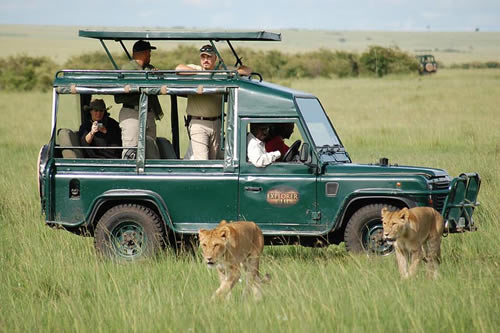
- Comfortable 4×4 Land Cruiser with pop-up roof
- One of the best day safaris in Tanzania
Why Choose a 1 Day Ngorongoro Crater Safari?
People often assume you need a week to enjoy a memorable African safari. Ngorongoro proves otherwise.
Thanks to its unique geography, wildlife is concentrated within the crater throughout the year. Unlike many national parks where animals migrate across vast distances, Ngorongoro’s permanent water sources, landscape and rich grazing lands keep wildlife close together, making it one of the best places in Africa for game viewing in a single day.
That means less time searching. More time watching. And surely plenty of opportunities to witness unforgettable wildlife encounters.
Whether it’s a pride of lions resting in the morning sun, elephants or hippos cooling off in muddy pools, every game drive feels remarkably rewarding.
6AM – Early Morning Departure from Arusha
Your adventure begins before sunrise.
There’s something special about leaving the city while most people are still asleep. The roads are quiet, the air is crisp, and anticipation builds with every kilometer.
Your Rowin Africa Safaris guide will collect you from your hotel in Arusha before dawn in a comfortable 4×4 safari vehicle specially designed for Tanzania’s national parks.
As the sky begins to brighten, the landscapes change.
Busy streets give way to rolling farmland where local farmers tend their crops. Small villages slowly wake up as bicycles roll along dusty roads and the smell of wood fires drifts through the cool morning air.
The journey toward the Ngorongoro Highlands takes approximately three to four hours, depending on your departure point and road conditions.
Along the way, your guide shares fascinating insights into Tanzania’s history, culture, wildlife, and the remarkable volcanic forces that created the Ngorongoro Crater millions of years ago.
Rather than simply driving from one place to another, the journey becomes part of the experience.
9-10AM – Arriving at the Ngorongoro Crater Rim
The final stretch climbs steadily through dense mountain forest.
Tall trees line the winding road, often hiding olive baboons, colourful turacos and the occasional elephant feeding quietly among the vegetation.
Then, quite suddenly, the forest opens.
The crater appears.
Even seasoned safari travelers often pause here. The view is enormous.
Almost twenty kilometres across, the Ngorongoro crater stretches below like a vast natural Amphitheatre, its floor covered with grasslands, forests, lakes and marshes that support thousands of wild animals.
This is the world’s largest intact volcanic caldera and a UNESCO World Heritage Site, formed when an ancient volcano collapsed inward over two million years ago.
Your guide will stop at one of the designated viewpoints, giving you time to absorb the scenery, capture photographs and breathe in the cool highland air before beginning the descent. It’s a moment worth savoring.
Within minutes, you’ll leave the rim behind and enter one of Africa’s richest wildlife habitats.
Descending into the Crater
The road down is steep, twisting gently through thick forest before opening onto the crater floor.
As you descend, excitement builds.
Wildlife often appears before you’ve even reached the bottom.
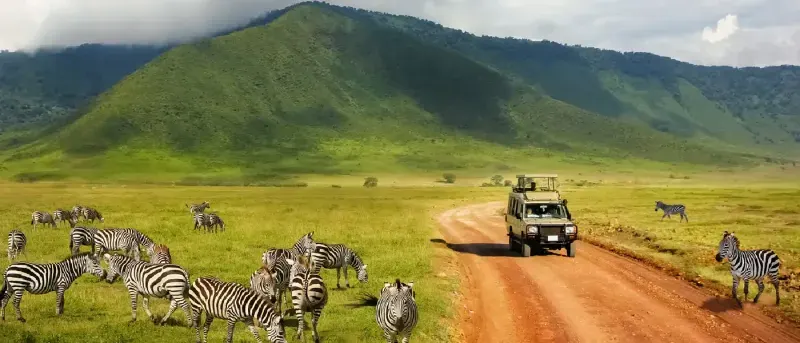
Cape buffalo graze near the roadside.
Warthogs trot across open grasslands with their tails pointing straight into the air.
Zebras and wildebeest gather in large numbers while crowned cranes patrol nearby wetlands.
Once on the crater floor, the safari truly begins.
Unlike larger parks where animals may be spread across vast distances, Ngorongoro’s enclosed ecosystem allows for consistently outstanding wildlife viewing.
Every direction offers something different. A family of elephants moving through the forest.
A pair of jackals trotting across the plains, or hyenas patiently waiting for an opportunity.
And perhaps, if luck is on your side, the unmistakable silhouette of a black rhino grazing in the distance.
Morning Game Drive – Searching for the Big Five
Morning is widely considered the best time to explore the crater.
Temperatures remain cool, predators are often still active, and many animals feed before the midday heat sets in.
Your experienced guide follows fresh wildlife sightings while reading subtle clues that many visitors would never notice.
- A group of nervous gazelles staring into tall grass.
- Vultures circling low overhead.
- Fresh lion tracks pressed into the damp soil.
These small signs often lead to extraordinary encounters.
The Ngorongoro Crater is one of the few places in Tanzania where seeing the Big Five in a single day is a realistic possibility.
You may encounter:
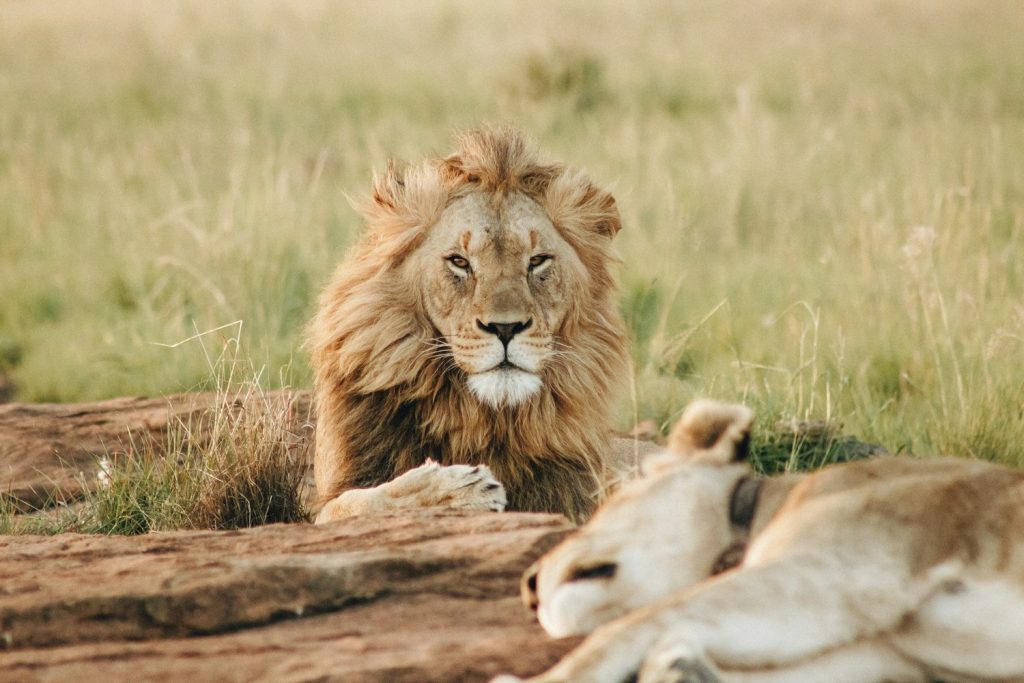
- Lions. Ngorongoro Crater hosts the densest lion population.
- African elephants
- Cape buffalo
- Leopards
- Endangered black rhinos
Beyond the Big Five, the crater supports an astonishing variety of wildlife including cheetahs, spotted hyenas, bat-eared foxes, golden and black-backed jackals, golden jackals, hippos, zebras, wildebeest, elands, gazelles and more than 500 recorded bird species. Notable birds in Ngorongoro are the Augur Buzzard, Black Kite, Grey Crowned Crane, Kori Bustard and the Capped Wheatear.
Watch flamingos feeding along Lake Magadi. A martial eagle gliding silently overhead while a lioness keeps watch from a nearby mound.
It’s this constant sense of unpredictability that makes every game drive different.
And that’s exactly why so many travelers leave Ngorongoro saying one day somehow felt much longer—in the very best way.
12:30PM – Midday at the Crater – A Picnic in the Heart of the Wild
By late morning, you’ll have already experienced more wildlife than many people see during several days in other safari destinations.
As the sun climbs higher, it’s time for a well-earned break.
Your guide will drive to one of the crater’s designated picnic sites, often located near the famous hippo pool. This isn’t an ordinary lunch stop. While you enjoy your packed picnic, hippos grunt from the water just a few metres away, weaver birds dart between nearby trees, and curious kites circle overhead hoping for an easy snack.
It’s one of those moments that feels unmistakably African.
You aren’t eating beside the wildlife. You’re eating in the middle of it!
Take a moment to look around before climbing back into the vehicle. Chances are you’ll notice something you missed at first—a pair of crowned cranes walking through the reeds, a monitor lizard basking in the sun, or buffaloes quietly grazing in the distance.
On safari, even lunch comes with wildlife viewing.
Afternoon Game Drive – A Different Side of the Crater
Many visitors assume the excitement fades after lunch.
Quite the opposite. The afternoon often brings a different rhythm to the crater. Watch it all as it unfolds.
Because the crater covers a relatively compact area, your guide can adjust the route throughout the day based on wildlife movements. Perhaps another vehicle has reported a leopard resting in a tree. Maybe a black rhino has been seen grazing near the marshes. Or perhaps a pride of lions has settled close to the road, offering exceptional photographic opportunities.
Flexibility is one of the greatest advantages of a private safari.
Rather than following a rigid timetable, the day unfolds according to what nature offers.
Wildlife You Can Expect to See
No ethical safari operator can promise specific animal sightings.
Wildlife doesn’t follow schedules.
That said, the Ngorongoro Crater consistently ranks among the best places in Africa for wildlife viewing because of its extraordinary concentration of animals.
Depending on the season and a little luck, your game drive may include:
Mammals
- African elephants
- Lions
- Endangered black rhinos
- Cape buffaloes
- Leopards
- Cheetahs
- Spotted hyenas
- Golden jackals
- Serval cats
- Hippos
- Blue wildebeest
- Plains zebras
- Thomson’s gazelles
- Grant’s gazelles
- Elands
- Waterbucks
- Warthogs

Birdlife
Bird enthusiasts will quickly realise the crater is far more than a destination for big mammals.
More than 500 bird species have been recorded within the conservation area.
Depending on the season, you may spot:
- Greater and lesser flamingos
- Grey crowned cranes
- Kori bustards
- Secretary birds
- African fish eagles
- Augur buzzards
- Ostriches
- Sacred ibises
- Superb starlings
- Yellow-billed storks
Even travellers who don’t consider themselves birdwatchers often find themselves reaching for the binoculars.
Why the Ngorongoro Crater Is Unlike Anywhere Else
Every safari destination has its strengths.
The Serengeti is famous for endless plains and the Great Migration.
Tarangire is known for its elephant herds and ancient baobab trees.
Lake Manyara offers incredible birdlife and tree-climbing lions.
Ngorongoro stands apart because of its natural design.
The crater acts like a giant wildlife sanctuary enclosed by steep volcanic walls. Permanent water sources and fertile grasslands support wildlife throughout the year, making game viewing remarkably reliable.
A Paradise for Wildlife Photographers
Few places reward photographers like the Ngorongoro Crater.
Morning light spills across the grasslands in soft golden tones, creating beautiful conditions for wildlife photography. As the day progresses, changing light transforms the landscape, from bright reflections on Lake Magadi to dramatic afternoon shadows beneath the crater walls.
Whether you’re carrying a professional camera or simply using your smartphone, opportunities seem endless.
A lion framed against the crater rim.
An elephant disappearing into the forest.
A flock of flamingos turning the shoreline pink.
Or a Maasai herder silhouetted against the highlands outside the conservation area.
Every turn presents another image worth capturing.

Best Time to Visit the Ngorongoro Crater
One of the biggest advantages of the crater is that wildlife viewing is excellent throughout the year.
Unlike some safari destinations where seasonal migrations influence sightings, Ngorongoro offers rewarding game drives in every month. The wildlife is resident all year through!
June to October – Dry Season
This is the most popular time to visit.
The grass is shorter, wildlife is easier to spot, and skies are often clear, making it ideal for photographers.
January to March
Warm temperatures and pleasant weather create excellent safari conditions.
Many animals have their young ones during this period, adding another layer of excitement to game drives.
April and May – Green Season
The landscape becomes incredibly lush after seasonal rains.
Visitor numbers are lower, accommodation rates are often more affordable, and birdlife is exceptional.
Short afternoon showers are possible, but experienced travellers often appreciate the quieter atmosphere and dramatic scenery. And the blooming scenery is unmatched.
Why Travel with Rowin Africa Safaris?
A safari isn’t measured only by the animals you see. It’s shaped by the guide beside you.
At Rowin Africa Safaris, we don’t rush from one wildlife sighting to the next. We take time to explain animal behaviour, point out details many visitors overlook, and tailor every game drive to your interests.
Our experienced local guides know the Ngorongoro Conservation Area intimately: from the best wildlife viewing locations to the quieter corners where remarkable moments often unfold without a crowd of vehicles.
Whether you’re travelling solo, as a couple, with family, or celebrating a honeymoon, we create safaris that feel personal rather than predictable.
From the moment we collect you in Arusha until your return at the end of the day, every detail is handled with professionalism, comfort, and genuine East African hospitality.
As the afternoon draws to a close, you’ll begin the scenic drive back toward Arusha. The crater slowly disappears behind you, but the memories linger—lions resting in the grass, elephants emerging from the forest, flamingos shimmering across the lake, and that unforgettable first glimpse from the crater rim.
One day.
And yet thousands of memories.
That’s the magic of the Ngorongoro Crater. Book your short Tanzania safari with us.
What’s Included in Your 1 Day Ngorongoro Crater Safari?
When you book with Rowin Africa Safaris, we believe you should know exactly what to expect before your journey begins. Our day trips are carefully planned to maximize your time inside the crater while ensuring a comfortable and stress-free experience.
Your safari includes:
- Hotel pick-up and drop-off in Arusha
- Transport in a private 4×4 Toyota Land Cruiser with a pop-up roof
- Professional English-speaking safari guide
- Ngorongoro Conservation Area entry fees
- Crater service fees
- Picnic lunch inside the crater
- Bottled drinking water throughout the safari
- Game drives as outlined in the itinerary
What’s Not Included?
The following are not included:
- International and domestic flights
- Tanzania visa fees
- Travel insurance
- Alcoholic beverages and soft drinks
- Personal purchases and souvenirs
- Tips for your safari guide (highly appreciated)
- Accommodation before or after the safari
What Should You Bring?
Packing for a one-day safari is simple, but bringing the right items will make your experience much more comfortable.
We recommend:
- A camera or smartphone with plenty of storage
- Binoculars for better wildlife viewing
- Sunglasses
- Sunscreen
- A light jacket or fleece for the cool morning at the crater rim
- Comfortable clothing in neutral colours
- Closed walking shoes
- Personal medication if required
- A power bank for charging your devices
If you’re visiting during the rainy season, a lightweight waterproof jacket is also a good idea.

Is a 1 Day Ngorongoro Crater Safari Worth It?
Absolutely.
Many travellers assume a single day won’t be enough to experience Tanzania’s wildlife. The Ngorongoro Crater often proves them wrong.
Because animals remain within the crater throughout the year, game viewing is consistently excellent. It’s entirely possible to see lions, elephants, buffaloes, hippos, hyenas, zebras and countless other animals in just one day.
If you’re visiting Tanzania for business, combining a beach holiday in Zanzibar with a safari, or simply have limited time, this itinerary offers outstanding value without sacrificing the quality of the experience.
For many visitors, one day inside the crater becomes the highlight of their entire trip in Tanzania.
Can This Safari Be Customized?
Yes.
Although this itinerary is designed as a full-day adventure from Arusha, it can easily be adapted to suit your travel plans.
Popular options include:
- Starting from Karatu instead of Arusha
- Combining the safari with a visit to Lake Manyara National Park
- Adding Tarangire National Park for a two-day safari
- Extending your journey to Serengeti National Park
- Continuing to Zanzibar for a safari and beach holiday
- Including cultural visits with the Maasai community
At Rowin Africa Safaris, every itinerary can be tailored to match your interests, travel style and budget. Simply let us know and we shall tailor make your ultimate Africa safari tour.
Frequently Asked Questions
How long is a 1 Day Ngorongoro Crater Safari?
The safari typically lasts between 10 and 12 hours, including travel time from Arusha and approximately five to six hours of game driving inside the crater.
Can I see the Big Five in one day?
Yes. The Ngorongoro Crater is one of the best places in Africa to search for the Big Five. While wildlife sightings can never be guaranteed, the chances of seeing lions, elephants, buffaloes and even the endangered black rhino are excellent. Leopards are more elusive but are occasionally spotted.
Is the safari suitable for children?
Yes.
Families regularly enjoy Ngorongoro safaris. The game drives are comfortable, and the abundance of wildlife keeps children engaged throughout the day.
Do I need a private safari?
Private safaris offer greater flexibility, allowing your guide to spend more time at wildlife sightings and adjust the itinerary to your interests.
While we organize private and group safaris, we do not offer group-joining safaris.
What is the best month to visit the Ngorongoro Crater?
The crater offers exceptional wildlife viewing all year.
However, June to October is especially popular because of the dry weather and excellent visibility, while January to March is ideal for pleasant temperatures and active wildlife.
How far is the Ngorongoro Crater from Arusha?
The drive from Arusha to the Ngorongoro Conservation Area takes approximately three to four hours each way, depending on road conditions and traffic.
Why Book Your Ngorongoro Safari with Rowin Africa Safaris?
Planning a safari should be exciting, not overwhelming.
At Rowin Africa Safaris, we combine local knowledge with personalized service to create journeys that go beyond simply ticking animals off a checklist.
Our experienced guides understand wildlife behaviour, know where to find the best sightings, and enjoy sharing the stories behind Tanzania’s extraordinary landscapes.
We don’t believe every traveller wants the same safari.
Some arrive hoping to photograph a black rhino.
Others dream of seeing lions for the first time.
Many simply want to spend a day immersed in nature with family or friends.
That’s why we take the time to understand what matters to you before your journey begins.
Whether you’re travelling from the United States, Canada, the United Kingdom, the Netherlands, Switzerland, Australia, Morocco, China or anywhere else in the world, we’ll help you experience the Ngorongoro Crater with confidence, comfort and authentic East African hospitality.
Book Your 1 Day Ngorongoro Crater Safari Today
Join Rowin Africa Safaris for an unforgettable 1 Day Ngorongoro Crater Safari and discover why this remarkable destination remains one of the greatest wildlife experiences on Earth.
Your adventure starts before sunrise.
The memories will stay with you for years.