Kenya Safari : Kenya is a great spot to go on a safari and the country where the safari originated. The East African country first attracted travelers over a century ago, lured by tales of wild creatures. It borders the Indian Ocean, with Mount Kenya rising over a tapestry of little farms, green hills, and golden grassland.
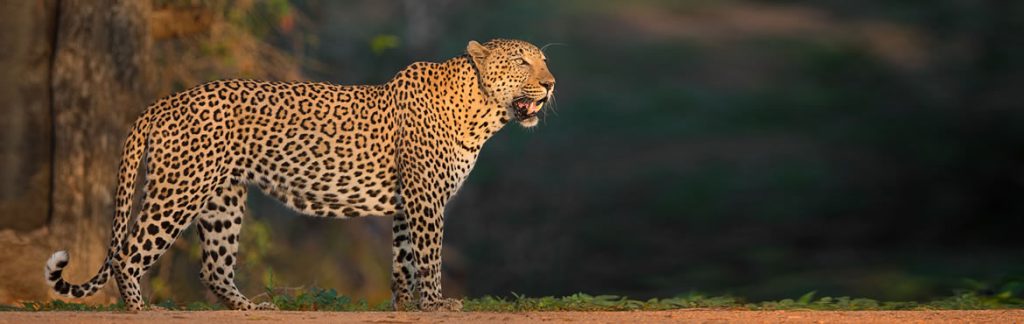
Safaris in Kenya showcase the nation’s striking landscapes, which are home to the “Big Five” (elephant, lion, leopard, rhinoceros, and buffalo) in a number of national parks and reserves.
One of the best travel experiences in the world, safaris require knowledgeable local guides and custom excursions.
Whether you want a luxurious Kenya safari, a pleasant yet reasonable vacation, or a low-cost safari, Kenya has everything you’re looking for.
Kenya Destinations
Masai Mara National Reserve
When you visualize Africa, it’s possible that you see a lone acacia tree silhouetted on the savanna against a horizon that is flame red and edging towards infinity. That iconic picture is most likely from the Masai Mara. The Masai Mara, one of Kenya’s most well-known safari locations, is a 583 square mile region of protected wildness in the southwest of the country near the Tanzanian border. The border is primarily of grassy plains and undulating hills, and the Mara and Talek Rivers pass through it. Its name comes from the Maasai people, who were the first residents and who moved from the Nile Basin.
The Mara, as it is known locally, is also home to lions, cheetahs, elephants, leopards, zebras, black rhinoceroses, hippos, and a vast array of bird species. During the yearly wildebeest migration, which is one of the world’s greatest wildlife spectacles, wildebeest also travel across the Mara plains in search of water. You won’t soon forget this incredible sight.
Nairobi National Park
Nairobi National Park, with roughly 45 square miles, is one of Africa’s smallest national parks and one of only a handful worldwide to be located inside a capital city. But there’s still a good chance of seeing lots of wildlife. Open plains, rocky outcrops, and streams that flow southeast into the Mbatathi Athi River are all included in the park. Absent the elephants, the Big Five are visible here. However, you can see orphaned baby elephants at the Sheldrick Wildlife Trust’s nursery, which is close to the park’s main entrance. Also present are up to 40 black rhinos. The Langata and Karen neighboring suburbs are fenced off from the park.
Amboseli National Park
The second-most visited park in Kenya after the Masai Mara, Amboseli National Park, is renown for its impressive herds of elephants and breathtaking views of Mount Kilimanjaro, the tallest mountain in Africa, which is in Tanzania just across the border. In the morning and evening, huge herds of tusked elephants walk the plains, but you may also spot hippo, buffalo, zebra, wildebeest, hyena, and the sporadic lion and wild dog.
The basin in the middle of Amboseli floods during periods of heavy rain, attracting hordes of animals and offering plenty of opportunities for interested photographers. In 1991, Amboseli was designated as a UNESCO-Mab Biosphere Reserve, which aided in the preservation of the park’s biodiversity and the participation of the local populace.
Tsavo East National Park
The 4,535 square-mile Tsavo East, Kenya’s largest national park, is distinguished by flat, dry landscape sprinkled with enormous baobab trees, which is conducive to spotting the Big Five. South of the Galana River, where all safaris in Tsavo East take place, is such a wide area that you’ll frequently find yourself and your fellow safari-goers all by yourselves. The park hosts the Voi and Galana rivers, and the Aruba Dam, built over the Voi River, attracts a large number of birds.
The 180-mile-long Yatta Plateau, one of the longest lava flows in the world, which runs parallel to Mombasa Highway, is another intriguing aspect of the park. This park is a popular destination due to the abundance of wildlife there. You will also have the chance to see less common species like the oryx, smaller kudu, and the klipspringer, a tiny African antelope that leaps from rock to rock, in addition to the more common ones.
Samburu National Reserve
The remote Samburu National Reserve is located close to Mount Kenya in the far north of the nation. Samburu is a spectacular combination of hilly landscapes, riverine bush, and semi-desert terrain that is uncrowded and provides superb wildlife viewing. The Ewaso Ngiro River has gigantic rocky outcrops and kopjes (small hills) bordering it. Nevertheless, you won’t be crowded by other cars as you would be in other reserves. Animals acclimated to the drier, rockier surroundings can thrive in this particular geographic setting.
You might even see the red-robed Samburu tribesmen bringing their cattle to the river to drink, just like their Masai kin. The Samburu people reside in mobile communities known as manyattas that they use to follow the grazing patterns of their livestock. Additionally, this is one of the few locations in Africa where you might see a camel ambling across the dry plains.
Lake Naivasha and surroundings
Lake Naivasha, a freshwater body about one and a half hours north of Nairobi, is renown for its yellow-barked acacia trees. It is also famous for its large population of hippos and more than 400 different species of birds. These birds in Lake Naivasha include pelicans, flamingos, herons, egrets, and kingfishers. The lush vegetation surrounding this brilliant blue lake, which boarders grassy banks, draws various animals. Animals to look out for include giraffe, zebra, buffalo, antelope, warthogs, and monkeys. These come around especially to graze. However, Naivasha is more than just its lake. At Elsamere, the former residence of author Joy Adamson of Born Free, you can see wildlife around the lake or sip tea in the garden.
Lake Nakuru National Park
The Rift Valley Lake in Lake Nakuru National Park hosts rocky escarpments, acacia trees, and waterfalls. The lake inhabits a large population of flamingoes, giving the impression that it is one enormous pink mass. The park is breathtaking throughout seasons, and inhabitants include the striking, threatened Rothschild giraffe, black and white rhino, lion, leopard, hippo, and lion. As lions and leopards frequently sleep in the trees in the forest below Flamingo Hill, the southern end of the lake itself is one of the best places to see wildlife.