Migration Safari: Witness the Greatest Wildlife Journey on Earth
There are safaris that introduce you to Africa’s wildlife, and then there are safaris that immerse you in one of the most extraordinary natural events on the planet. A Migration Safari is more than a holiday—it is an invitation to witness life unfolding on a scale that has captivated explorers, photographers, filmmakers, and wildlife enthusiasts for generations.
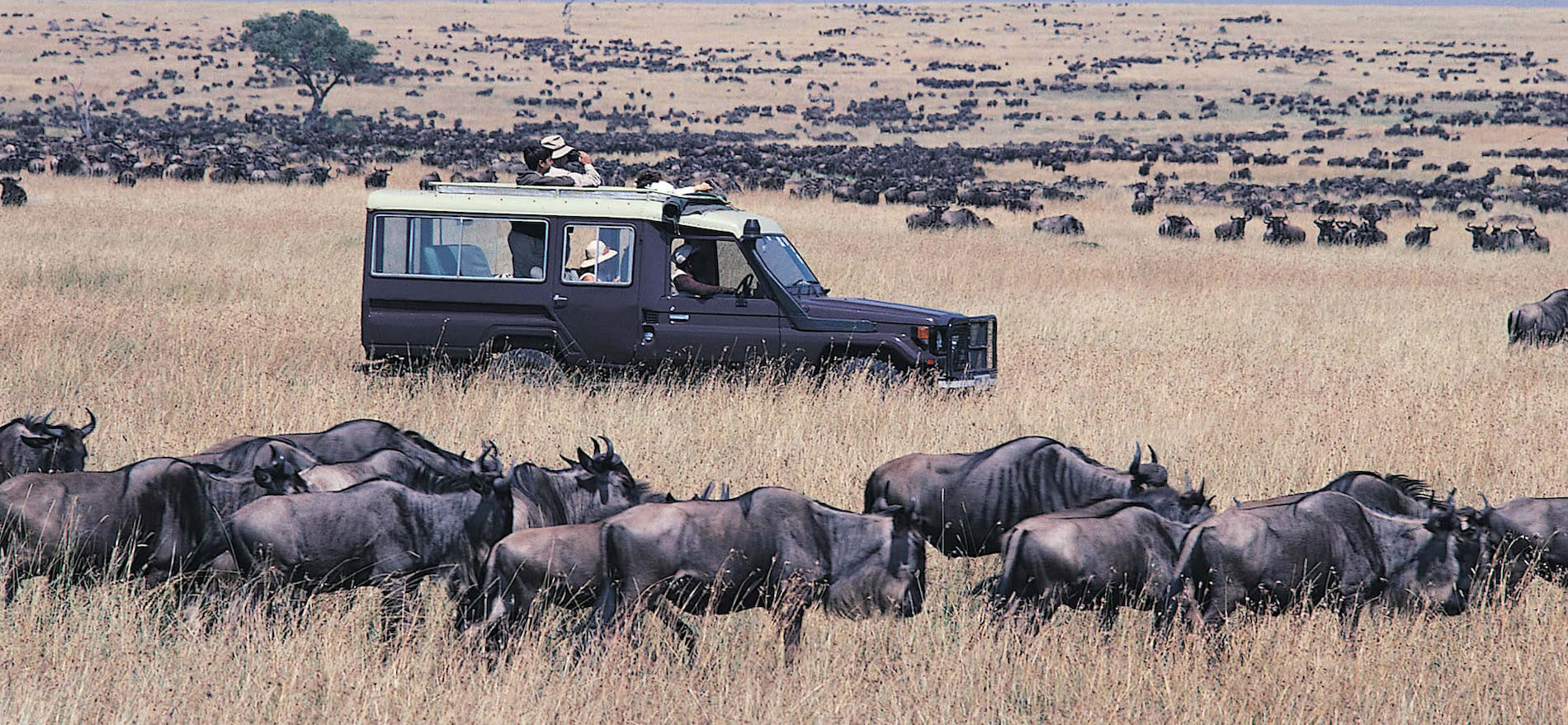
Imagine standing on a rocky outcrop overlooking the endless plains of the Serengeti as thousands of wildebeest stretch to the horizon. Zebras weave through the herds, gazelles graze nearby, and dust rises into the golden African sky. Suddenly, the stillness is broken. The herds begin to move, driven by an instinct that has remained unchanged for thousands of years.
This is the Great Wildebeest Migration—the largest overland mammal migration on Earth and one of Africa’s most breathtaking wildlife spectacles.
Every year, more than 1.5 million wildebeest, accompanied by hundreds of thousands of zebras and gazelles, travel through the vast ecosystems of northern Tanzania and southern Kenya in search of fresh grazing and water. Their journey spans nearly 2,000 kilometres and is filled with dramatic river crossings, predator encounters, and the relentless rhythm of survival.
At Rowin Africa Safaris, we don’t simply arrange migration tours—we design unforgettable safari experiences that place you in the right location at the right time. Whether your dream is to watch a dramatic river crossing in the Masai Mara, witness the calving season in the southern Serengeti, or enjoy a luxury mobile camp that follows the movement of the herds, our tailor-made safaris are carefully planned to maximize your wildlife viewing opportunities.
For any traveller, a Migration Safari offers an unrivalled combination of adventure, photography, luxury, and authentic African wilderness.
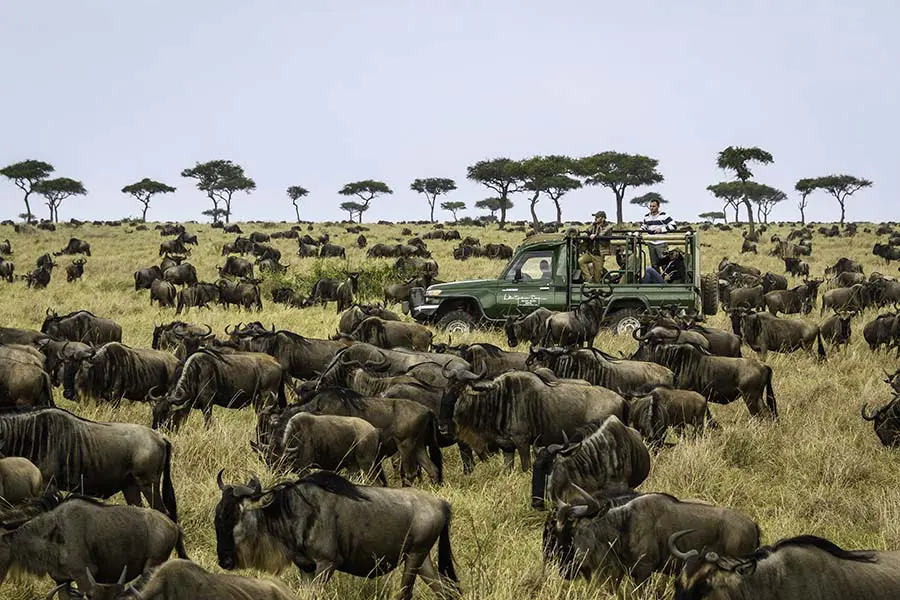
What Is a Migration Safari?
A Migration Safari follows the seasonal movement of millions of grazing animals through the Serengeti-Mara ecosystem. Unlike a traditional safari that remains within one destination, a migration safari is designed around the constantly moving herds.
The migration is not a single event or a race from one point to another. Instead, it is a continuous annual cycle shaped by rainfall, fresh grass, and the survival instincts of the animals. As the rains nourish new grazing areas, the herds move in search of food, creating an ever-changing wildlife spectacle across Tanzania and Kenya.
This natural rhythm supports one of the richest ecosystems on Earth, attracting lions, leopards, cheetahs, hyenas, crocodiles, jackals, vultures, and countless other species that depend on the migration for survival. No two migration safaris are ever exactly the same. Rainfall patterns, grazing conditions, and wildlife movements make each year’s journey unique, ensuring that every visitor experiences something truly special.
Why the Great Migration Is Unlike Any Other Safari
Africa is home to remarkable wildlife destinations, yet the Great Migration stands apart for its sheer scale, drama, and unpredictability.
It is not simply about the number of animals. It is about witnessing nature in motion.
You may watch thousands of wildebeest cautiously gathering along a riverbank, sensing the danger beneath the water. Minutes later, one brave animal leaps into the river, triggering a thunderous stampede as the herd surges forward. Massive crocodiles lie in wait, while on the opposite bank, lions and hyenas anticipate exhausted animals emerging from the crossing.
Much later, calm returns. The surviving herds spread across the plains to graze peacefully, while newborn calves take their first tentative steps. The predator action is perfect then!
Moments like these remind visitors that the migration is a story of resilience, renewal, and the delicate balance of nature. It is this combination of beauty, uncertainty, and raw wilderness that has earned the Great Migration recognition as one of the Seven Natural Wonders of Africa.
Why Choose a Migration Safari?
A Migration Safari appeals to travellers seeking more than a traditional wildlife holiday. It is ideal for those who want to experience Africa at its most dynamic and unforgettable.
Whether you are celebrating a honeymoon, planning a family adventure, travelling as a photographer, or fulfilling a lifelong dream, the migration offers experiences that remain unmatched.
A Migration Safari is perfect for:
- Wildlife photographers seeking dramatic action shots
- Families looking for an educational and inspiring adventure
- Couples celebrating honeymoons or anniversaries
- First-time visitors to Africa
- Repeat safari travellers wanting a new perspective
- Birdwatchers exploring the Serengeti-Mara ecosystem
- Conservation enthusiasts interested in one of the world’s most important wildlife events
Unlike many wildlife experiences where sightings depend largely on chance, the migration dramatically increases opportunities to observe predator-prey interactions, large herbivore herds, and extraordinary natural behaviour.
Where Does the Great Migration Take Place?
The Great Migration unfolds across one of Africa’s most celebrated conservation landscapes—the Serengeti-Mara ecosystem. This vast wilderness spans northern Tanzania and southern Kenya, linking iconic protected areas that together create an uninterrupted wildlife corridor.
Southern Serengeti
The journey begins on the fertile short-grass plains of the southern Serengeti, where the rains transform the landscape into a nursery for thousands of newborn wildebeest calves. This is one of the best places to witness the calving season and the intense predator activity it attracts.
Central Serengeti
As the dry season approaches, the herds move northwest through the central Serengeti. This region offers excellent year-round game viewing and serves as an important transition area during the migration.
Western Corridor
The migration then advances toward the Western Corridor, where the first major river obstacles await. Here, travellers may witness dramatic crossings of the Grumeti River, known for its large Nile crocodiles and impressive predator activity.
Northern Serengeti
As the herds continue north, they enter one of the most sought-after safari regions in Africa. The Northern Serengeti is famous for spectacular crossings of the Mara River, where thousands of wildebeest brave strong currents and lurking crocodiles.
Masai Mara National Reserve
Crossing into Kenya, the migration reaches the legendary Masai Mara. Vast open plains, abundant predators, and excellent visibility make this one of the finest wildlife destinations in the world. Visitors often enjoy unforgettable sightings of lions, cheetahs, elephants, giraffes, and countless other species alongside the migrating herds.
Understanding the Annual Migration Cycle
One of the biggest misconceptions is that the migration happens only once a year.
In reality, the Great Migration is a continuous circular journey that never truly ends. The herds are always moving, responding to changing rainfall patterns and the availability of nutritious grazing. This means there is no single “best” month for a Migration Safari. Instead, each season offers its own unique highlights.
Some visitors dream of witnessing thousands of newborn calves taking their first steps across the southern plains. Others hope to experience the heart-pounding drama of a Mara River crossing. Many simply want to immerse themselves in the endless wildlife-rich landscapes of the Serengeti and Masai Mara.
Understanding where the herds are likely to be during your travel dates is essential for planning a successful safari. This is where the expertise of Rowin Africa Safaris makes all the difference. By monitoring seasonal patterns and selecting camps strategically, we help maximise your chances of experiencing the migration at its finest.
Why Book Your Migration Safari with Rowin Africa Safaris?
The Great Migration is constantly moving, and timing is everything. Choosing the right locations, accommodations, and travel dates can transform a good safari into an extraordinary one.
At Rowin Africa Safaris, we create personalised migration itineraries based on the expected movement of the herds, your travel preferences, and your budget. Whether you prefer luxury tented camps overlooking the Mara River, intimate lodges in the Serengeti, or a comprehensive Kenya and Tanzania safari, we ensure every journey is thoughtfully planned.
When you travel with us, you enjoy:
- Expert migration planning based on seasonal wildlife movements
- Tailor-made private safaris
- Luxury, mid-range, and budget accommodation options
- Experienced professional safari guides
- Carefully selected camps in prime wildlife viewing areas
- Seamless Kenya and Tanzania safari combinations
- Transparent pricing with no hidden costs
- Personalised service from your first enquiry to your journey home
The Great Migration is one of nature’s greatest spectacles. With Rowin Africa Safaris, you’ll experience it from the best possible vantage points, creating memories that last a lifetime.
Best Time for a Migration Safari, River Crossings, Accommodation & Travel Planning
Planning a successful Migration Safari is not simply about choosing a travel date. The Great Wildebeest Migration follows nature rather than a calendar, and understanding its seasonal movements is the key to experiencing the right wildlife spectacle at the right place.
At Rowin Africa Safaris, every migration itinerary is carefully designed around the expected movement of the herds, ensuring you spend less time searching and more time witnessing Africa’s greatest wildlife event.
Great Migration Safari Calendar: Month-by-Month Guide
Although weather patterns may shift slightly each year, the migration generally follows a predictable annual cycle.
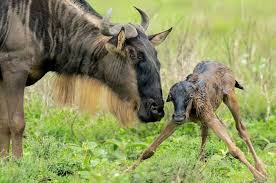
January to March – Calving Season in Southern Serengeti
The Southern Serengeti and Ndutu Plains become the heart of the migration as hundreds of thousands of wildebeest gather on the nutrient-rich grasslands.
During these months, more than 500,000 calves are born within a remarkably short period. The abundance of vulnerable newborns attracts large numbers of predators, making this one of the best seasons for dramatic wildlife viewing.
Expect to see:
- Thousands of newborn wildebeest calves
- Lions hunting on the open plains
- Cheetahs sprinting after young antelope
- Hyenas patrolling the calving grounds
- Excellent photography opportunities with lush green landscapes
This period is ideal for wildlife photographers, families, and visitors who enjoy witnessing natural behaviour rather than dramatic river crossings.
April to May – The Green Season
As seasonal rains continue, the migration gradually moves northwest through the Serengeti. Although these months receive more rainfall, they also offer exceptional value.
Benefits include:
- Fewer safari vehicles
- Beautiful emerald landscapes
- Excellent birdwatching
- Lower accommodation rates
- Peaceful game viewing
For travellers who appreciate solitude and photography, this can be one of East Africa’s hidden gems.
June to July – Grumeti River Crossings
By early dry season, the migration reaches the Western Corridor. This is where travellers may witness the famous Grumeti River crossings, one of the first major challenges of the migration.
Unlike the larger Mara River crossings later in the year, Grumeti crossings are often less crowded with tourists while still providing thrilling wildlife encounters. Massive Nile crocodiles lie patiently beneath the water as thousands of wildebeest gather along the banks, hesitating before making the dangerous crossing.
This period offers:
- Excellent predator sightings
- Dramatic river crossings
- Comfortable safari weather
- Outstanding photography
August to October – Mara River Crossings
For many travellers, this is the defining chapter of the Great Migration. The Northern Serengeti and Kenya’s Masai Mara become the stage for one of nature’s most dramatic spectacles.
The Mara River presents a formidable obstacle, with steep banks, strong currents, and crocodiles waiting below. Herds may gather for hours—or even days—before one animal takes the leap, prompting thousands to follow in a thunderous rush. No two crossings are ever the same. Some unfold in minutes, while others build slowly, rewarding patient observers with unforgettable scenes.
During this period, you can also expect excellent sightings of:
- Lions
- Leopards
- Cheetahs
- Spotted hyenas
- African elephants
- Giraffes
- Hippos
- Crocodiles
- Large herds of plains game
For travellers seeking iconic migration images, this is often the most popular time to visit.
November to December – The Journey South
With the arrival of short rains, the herds begin moving back toward Tanzania.
This transition period offers:
- Large moving herds
- Excellent predator activity
- Green landscapes
- Fewer crowds than peak season
- Pleasant temperatures
Many seasoned safari travellers prefer this quieter period for a more intimate wildlife experience.
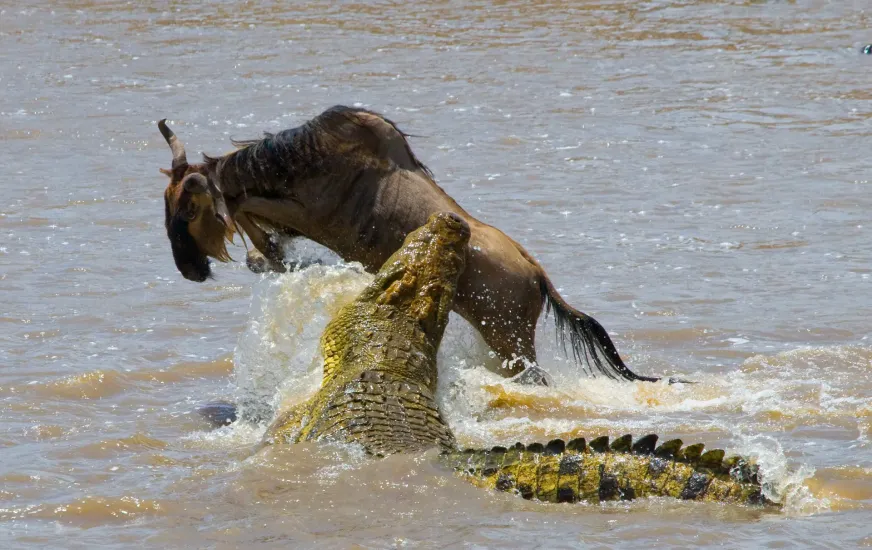
River Crossings: The Most Anticipated Wildlife Event
Few moments in the natural world compare to watching thousands of wildebeest gather at the edge of a river.
The animals hesitate.
They move forward.
They retreat.
Then suddenly, instinct takes over.
Within seconds, the river erupts into a chaotic surge of splashing water, pounding hooves, dust, and determination.
These crossings are unpredictable, making each sighting unique. Patience often rewards visitors with extraordinary wildlife encounters that cannot be scripted or guaranteed.
At Rowin Africa Safaris, we strategically position our guests near key crossing points during the migration season to maximize opportunities while respecting wildlife and avoiding unnecessary pressure on the animals.
Serengeti or Masai Mara: Which Is Better?
One of the most common questions we receive is whether travellers should choose Tanzania’s Serengeti or Kenya’s Masai Mara. The truth is that both are exceptional, but they offer different experiences.
Choose the Serengeti if you want:
- Vast, uninterrupted wilderness
- Fewer vehicles in many areas
- Longer migration experiences
- The calving season
- Diverse landscapes
- Multi-day exploration across different regions
Choose the Masai Mara if you want:
- Outstanding predator density
- Shorter travel itineraries
- Excellent Big Five sightings
- Convenient access from Nairobi
- Classic safari photography
For travellers with enough time, combining both destinations creates the ultimate East African safari.
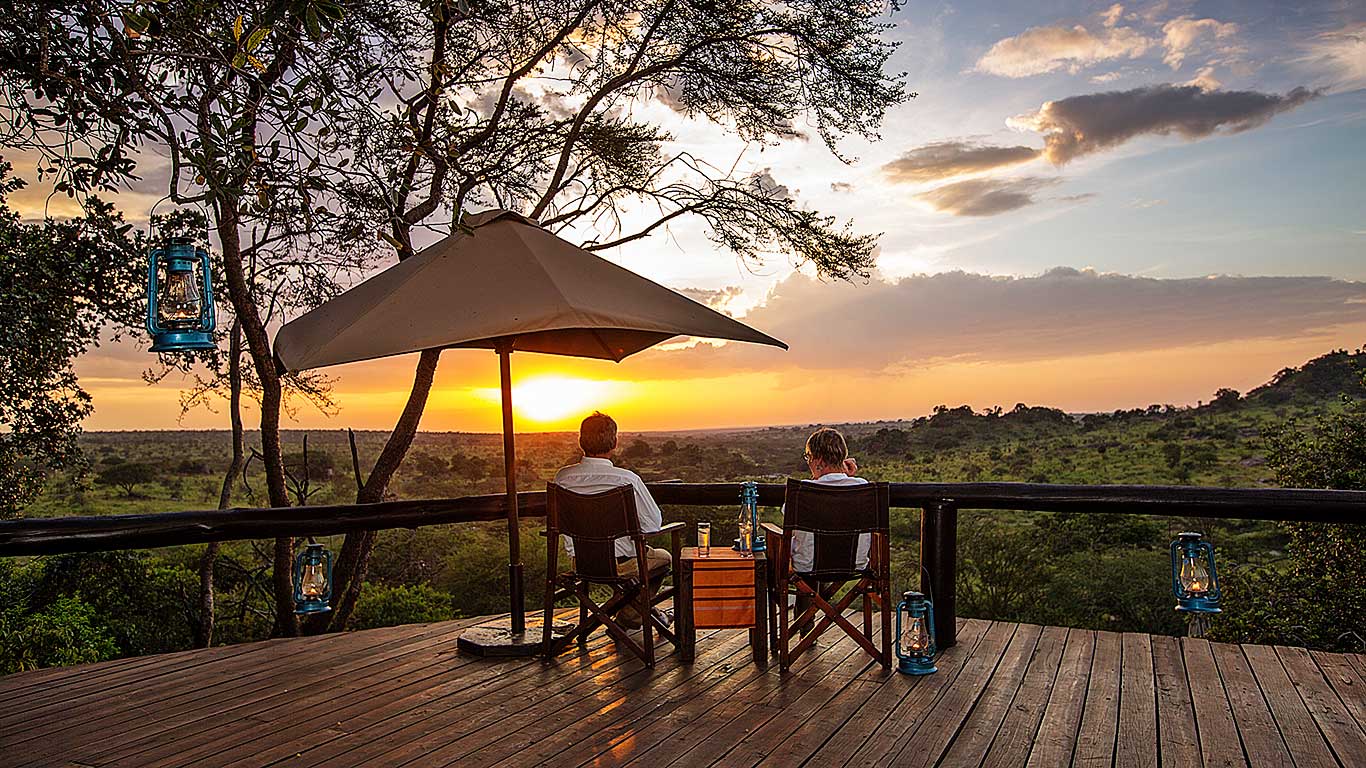
Choosing the Right Migration Safari
Every traveller has different priorities. That’s why Rowin Africa Safaris offers tailor-made experiences rather than one-size-fits-all packages.
Luxury Migration Safaris
Luxury travellers can expect:
- Elegant tented camps in prime wildlife locations
- Gourmet dining
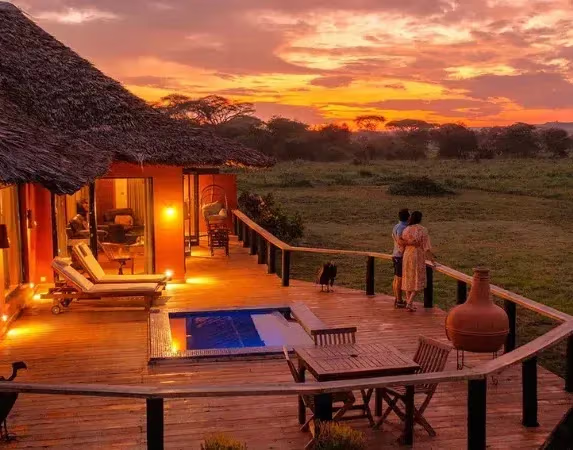
- Spacious suites with private decks
- Personalized service
- Sundowners overlooking the plains
- Exclusive game drives
- Fly-in safari options
- Premium photographic opportunities
The luxury migration safaris are perfect for honeymooners, photographers, families, and travellers celebrating special occasions.
Mid-Range Migration Safaris
Mid-range safaris provide excellent comfort while maintaining exceptional wildlife experiences.
Guests enjoy:
- Comfortable ensuite accommodation
- Excellent meals
- Professional guides
- Well-equipped safari vehicles
- Carefully selected lodges close to wildlife action
These safaris offer outstanding value without compromising the quality of the experience.
Budget Migration Safaris
A memorable migration safari doesn’t have to be expensive.
Budget options include:
- Comfortable safari camps
- Shared game drives
- Professional guiding
- Excellent wildlife viewing
- Great value itineraries
Regardless of your budget, the migration itself remains just as spectacular.
Migration Safari Photography Tips
The Great Migration is a dream destination for photographers, but capturing compelling images requires preparation and patience.
To improve your chances of memorable photographs:
- Travel with a camera that performs well in changing light.
- Bring both a telephoto lens for wildlife and a wider lens for landscapes.
- Carry spare batteries and memory cards.
- Focus on animal behaviour rather than only portraits.
- Include dramatic skies, dust, and landscapes to tell the complete story.
- Be patient—some of the best moments happen after waiting quietly.
Above all, remember to take time to simply watch. Not every unforgettable moment needs to be experienced through a viewfinder.
Combine Your Migration Safari with Other East African Adventures
Many travellers extend their migration safari to experience even more of East Africa’s incredible diversity.
Popular combinations include:
- Serengeti and Ngorongoro Crater for exceptional Big Five viewing.
- Tarangire National Park, famous for giant elephant herds and ancient baobab trees.
- Lake Manyara National Park, known for tree-climbing lions and prolific birdlife.
- Masai Mara and Amboseli National Park, combining migration action with iconic views of Mount Kilimanjaro.
- Rwanda or Uganda Gorilla Trekking, creating the ultimate wildlife journey featuring both mountain gorillas and the Great Migration.
- Zanzibar, where white-sand beaches and turquoise waters provide the perfect ending to an unforgettable safari.
At Rowin Africa Safaris, we seamlessly connect these destinations into one tailor-made itinerary, allowing you to experience the very best of East Africa without the stress of planning every detail yourself.
Frequently Asked Questions, Expert Booking Advice & Why Choose Rowin Africa Safaris
The Great Wildebeest Migration is one of the world’s most searched wildlife experiences, and travellers often have practical questions before they commit to booking.
Frequently Asked Questions About Migration Safaris
Is the Great Migration Worth Seeing?
Absolutely.
A Migration Safari is widely regarded as one of the greatest wildlife experiences on Earth. Unlike a traditional safari, where wildlife sightings are unpredictable, the migration places you in the heart of an ever-moving ecosystem filled with hundreds of thousands of animals.
From witnessing thousands of wildebeest crossing a crocodile-filled river to watching newborn calves take their first steps across the Serengeti plains, every stage of the migration offers unforgettable moments. It is a journey of survival, renewal, and resilience that leaves a lasting impression on every traveller.
Which Country Is Better for a Migration Safari: Kenya or Tanzania?
Both countries offer exceptional experiences, but the best choice depends on what you hope to see.
Tanzania is ideal if you want to experience the migration over a longer period, including the calving season in the southern Serengeti, the Grumeti River crossings, and the northern Mara River crossings.
Kenya is best known for spectacular Mara River crossings, outstanding predator sightings, and the wildlife-rich plains of the Masai Mara.
Many visitors choose a combined Kenya and Tanzania itinerary to enjoy the most complete migration experience.
How Many Days Do I Need for a Migration Safari?
A minimum of three nights to seven days allows enough time to enjoy meaningful wildlife encounters. However, eight to ten days provides greater flexibility, especially since the migration is constantly moving and exact crossings are not timed and guaranteed.
Longer itineraries also allow you to combine the migration with destinations such as the Ngorongoro Crater, Tarangire National Park, Lake Manyara, or even Rwanda and Uganda for gorilla trekking.
When Should I Book My Migration Safari?
The Great Migration attracts visitors from around the world, especially from the USA, UK, Canada, Switzerland, Germany, France, and other European countries.
If you plan to travel during the peak migration months of July through October, it is advisable to book 6 to 12 months in advance. Luxury camps and the best mobile tented camps often sell out well ahead of time.
Booking early also provides a wider choice of accommodation and can secure better flight options. Last minute bookings do not give you the guarantee of getting the right or preferred accommodation: migration safari lodges and camps sell out fast.
Can I See the Big Five During a Migration Safari?
Yes.
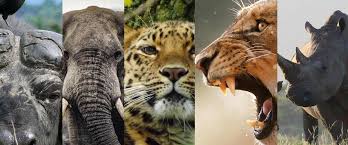
Although the migration focuses on wildebeest, zebras, and gazelles, the Serengeti and Masai Mara are also home to the Big Five:
- Lion
- Leopard
- Elephant
- Buffalo
- Rhinoceros (more commonly seen in selected conservation areas)
Predator sightings are particularly rewarding during the migration because the abundance of prey attracts lions, cheetahs, hyenas, and leopards.
Is the Great Migration Guaranteed?
The migration is a natural event rather than a scheduled performance.
While no responsible safari company can guarantee a river crossing or a specific wildlife encounter, experienced operators closely monitor herd movements and design itineraries around seasonal patterns.
At Rowin Africa Safaris, we use our local knowledge and up-to-date migration information to maximize your chances of witnessing the migration in its most spectacular locations.
Is a Migration Safari Suitable for Families?
Yes.
Families with older children often find the migration both educational and inspiring. Watching wildlife in its natural environment encourages curiosity about conservation, ecology, and the interconnectedness of Africa’s ecosystems.
Private safaris can also be tailored to suit different interests and travel paces.
Can I Combine the Great Migration with Gorilla Trekking?
Absolutely.
Combining the Great Migration with gorilla trekking is one of East Africa’s most rewarding safari experiences.
Imagine witnessing the thunder of thousands of wildebeest crossing the Mara River before travelling to Rwanda or Uganda to spend an unforgettable hour with endangered mountain gorillas. This combination offers extraordinary diversity, from open savannahs to mist-covered rainforests.
Why Book Your Migration Safari with Rowin Africa Safaris?
A successful migration safari is not simply about choosing a destination—it is about being in the right place at the right time.
At Rowin Africa Safaris, we understand that the migration changes constantly with rainfall and grazing conditions. Our team carefully plans each itinerary to align with expected herd movements, giving you the best possible chance of witnessing the experiences you have always dreamed of.
Whether you are looking for a luxury honeymoon, a private family safari, a photographic expedition, or a budget-friendly adventure, we tailor every itinerary to suit your travel style.
When you choose Rowin Africa Safaris, you benefit from:
- Personalised safari planning
- Expert guidance on the best travel dates
- Carefully selected luxury, mid-range, and budget accommodation
- Experienced professional safari guides
- Private 4×4 safari vehicles designed for comfort and photography
- Flexible itineraries across Kenya and Tanzania
- Honest pricing with no hidden costs
- Dedicated support before, during, and after your safari
Our goal is to create more than a holiday. We create journeys that leave you with stories, photographs, and memories that last a lifetime.
Begin Your Great Migration Adventure Today
The Great Wildebeest Migration is not just another safari attraction—it is one of the last great natural spectacles on Earth. Every journey tells a different story, shaped by the seasons, the weather, and the instinctive movements of millions of animals.
Whether your dream is to witness the drama of a Mara River crossing, photograph predators on the Serengeti plains, or combine the migration with gorilla trekking or a relaxing beach escape, Rowin Africa Safaris is ready to design an itinerary that reflects your interests and exceeds your expectations.
Contact our Africa safari specialists today to begin planning your tailor-made Migration Safari. Let us help you experience Africa at its wildest, most authentic, and most unforgettable.