Primate Watching in Uganda
Primate watching in Uganda. Uganda is home to many fascinating primate species. Kibale Forest National Park is the primate capital of the world. Kibale National Park harbors the highest density of primate species. Common primates in Kibale include chimpanzees, black and white colobus monkeys, grey cheeked mangabey, Red tailed monkeys, L’ Hoest, Olive baboons and the Blue monkeys.
The endangered mountain gorillas are the most popular primates in Uganda. Mountain gorillas inhabit Mgahinga Gorilla National Park and Bwindi Impenetrable Forest National Park. Other primates in Uganda include the golden monkeys only spotted in Mgahinga Gorilla National Park.
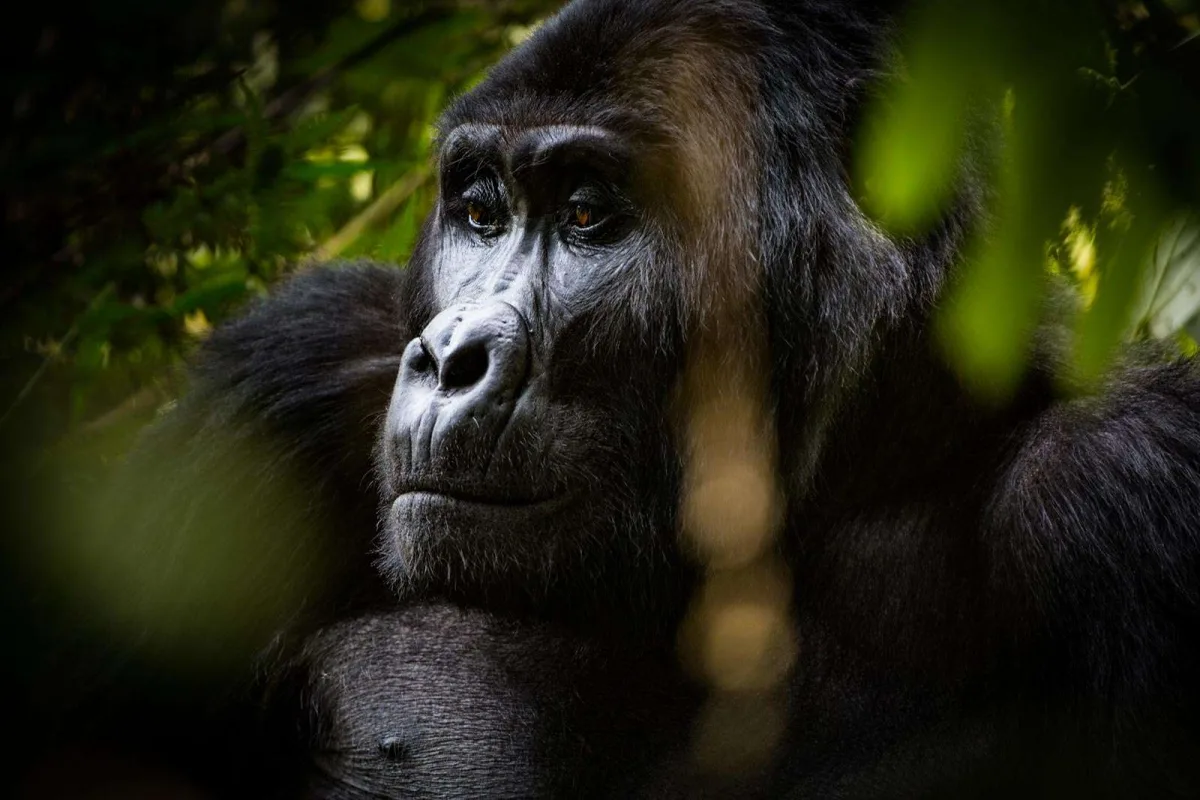
Gorilla Trekking in Uganda
Gorilla trekking is the highlight of any safari in Uganda. Gorilla trekking is done in Bwindi Impenetrable National Park and Mgahinga National Park only in Uganda. 23 habituated gorilla families are open for gorilla trekking in Uganda and only 8 people permitted per group.
To spend one hour with then endangered primates, you need a gorilla permit which are issued by Uganda Wildlife Authority.
Bwindi Impenetrable National Park is also home to chimpanzees and monkeys. In addition to gorilla trekking, other activities include visiting the Batwa Pygmies, golden monkey tracking, guided nature walks and bird watching.
Two populations of mountain gorillas are available. One population is in Bwindi Impenetrable National Park and another in Virunga Conservation Area. The Virunga Massifs comprises of Volcanoes National Park in Rwanda, Mgahinga Gorilla National Park in Uganda and Virunga National Park in Democratic Republic of Congo.
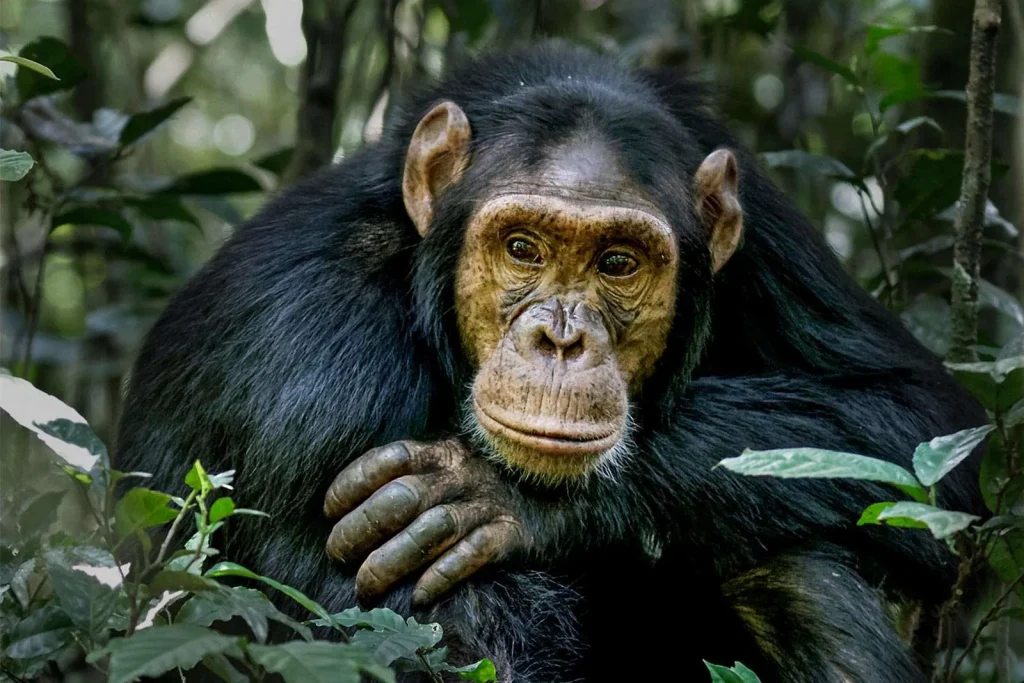
Chimpanzee Trekking in Uganda
Chimpanzees are our closest relative and Uganda has over 5000 and more calling the country’s forests home. The best destination known for chimpanzee trekking in Uganda is Kibale Forest National Park, home to 13 primate species including chimpanzees, olive baboons, and black and white colobus monkeys among others.
Chimpanzee trekking is done on morning starting early at 08:00 am and afternoon starting at 02:00 pm. chimpanzee treks takes approximately 30 minutes to 4 hours or more depending on the movement of the chimpanzees with one hour of being in their presence.
Other destinations where chimpanzee trekking in Uganda is done include Semuliki National Park, Kyambura Gorge in Queen Elizabeth National Park and Budongo Forest in Murchison Falls National Park. other places where chimpanzees are kept in Uganda include Uganda Wildlife Education Centre and Ngamba Island Sanctuary were orphaned primates are kept for tourism purposes.
Golden Monkey Tracking in Uganda
Golden monkeys are unique creatures and close relatives to both mountain gorillas and chimpanzees. These species are endangered and are only found in three countries including Uganda, Rwanda and the Democratic Republic of Congo. Golden monkeys are playful primates weighing 10-25 pounds with a golden body, tails, cheeks, body and black limbs. They are also known as a sub specie of the blue monkeys which are mainly found in bamboo forests in Virunga Volcanoes of Congo.
Groups of Golden monkeys in Mgahinga Gorilla National Park are habituated to human presence, to be trekked with golden monkey trekking experiences. Golden monkeys live in groups of 30 to 80 individuals being led by an adult male. Usually the female golden monkeys defend the territories and provide protection. They feed on plant species including the leaves, fruits, invertebrates as well as the bamboo.
Golden monkey tracking involves walking the park with armed rangers and guides in a small group. Travelers then start to hike bamboo forests where these beautiful primates live. These playful species are hard to get on camera and therefore tourists should use a low light in the dense forest.
Monkey Species Found in Uganda
Baboons
Baboons are sometimes called Olive baboons. They are in Mgahinga Gorilla National Park, Mount Elgon National Park and Rwenzori National Park only in Uganda.
Olive baboons inhabit almost 25 countries of Africa. They live in large groups of about 150 individuals, comprising of few males and many females and their young ones. Olive baboons a large in size and are fierce due to their dog like faces and menacing teeth. These are large enough to be viewed by all the visitors that come to visit the national parks.
Black and White colobus Monkeys
Black and White Colobus Monkeys are old monkeys of the genus colobus family, mainly in live in Africa. They are greatly related to the brown colobus monkeys and mainly live in Riverine forest, wooded grasslands and forests. Nine individuals including a white face and tail form groups of the monkeys.
Blue Monkeys
Blue monkeys in East Africa mainly inhabit Uganda and Congo. They have little hair on their faces and gives a blue appearance often times but aren’t blue in color. They mainly live montane, bamboo forests, ever green forests, and the forest canopy.
They like humid and shady places with plenty of water. They mainly feed on leaves, invertebrates as well as fruits. Thriving in groups made of 4to 12 individuals mainly consists of one male, many females with their young ones.
Blue monkeys inhabit Murchison Falls National Park and Lake Mburo National Park.
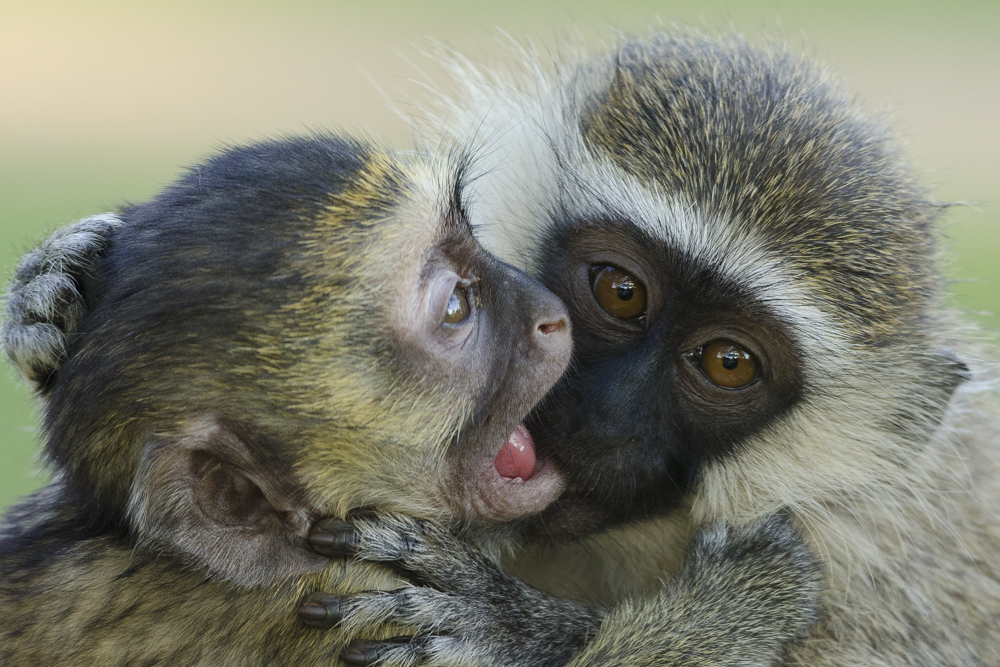
Other primates in Uganda include De Brazza’s Monkeys, Grey Cheeked Mangabee Monkey, L’ Hoest’s Monkeys, Patas Monkeys, Red Colobus Monkeys, Red Tailed Monkey. Nocturnal Primates including Bush babies and Pottos are also in Kibale National Park.
Reach out to us for for an unforgettable Uganda primates safari, any time of the year.