Wildlife in the Masai Mara
Wildlife in the Masai Mara. The iconic images of massive herds of wildebeests and zebras trekking across the African plains are only part of Masai Mara’s wildlife appeal. Masai Mara is one of the best places on earth to spot most of the Big Five while out on a Kenya Safari. In addition to the popular showstoppers, this part of the world is home to some very spectacular looking creatures that you may not have heard of.
Most safari travelers to Africa dream of spotting the coveted ‘Big Five”. Luckily, lions, elephants, leopards and cape buffaloes are a common sight in Masai Mara. Rhinos do occur but are notoriously difficult to spot. The term “Big Five” actually has a very dark origin, it has little to do with the size of these animals and everything to do with the difficulty in hunting them. In addition to the “Big Five”, the Masai Mara is home to an extraordinary variety of interesting animals.
Here’s a quick glance at the most popular wildlife living in the Mara ecosystem.
-
Lion (Panthera Leo)
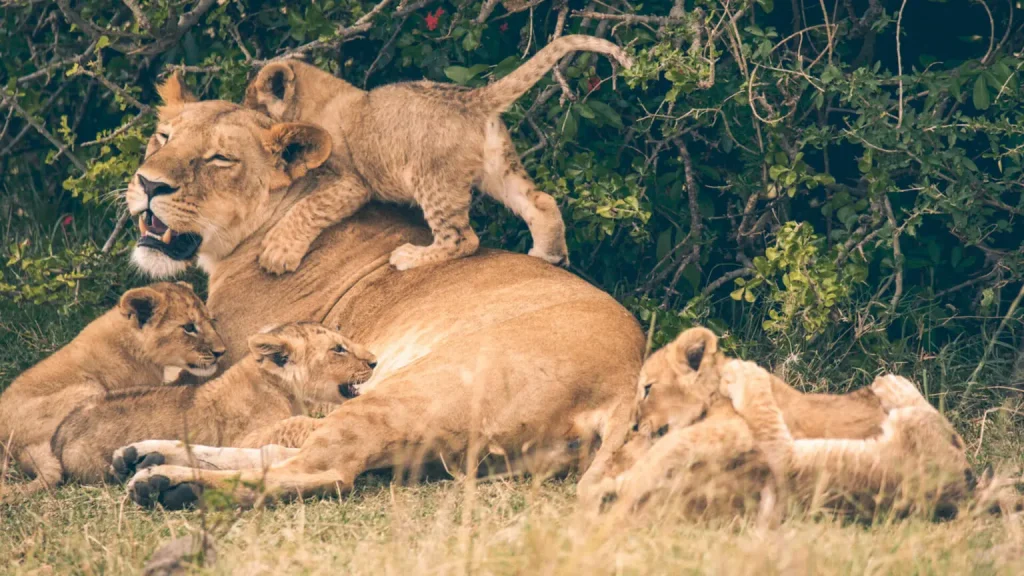
Referred to as Africa’s King of the Jungle, the lion is both awe-inspiring and terrifying due to its strength, speed and reputation. Approximately 850 to 900 lions live within the Masai Mara National Reserve and surrounding conservancies.
The Mara-ecosystem is one of the world’s premier locations to spot this mighty beast in the wild, lions are one of the most sociable big cat predators and they generally live in prides of often to twenty lions. A pride can consists of up to three males, several adult female lions (of which one is the dominant female) and several sub-adults and cubs. Male lions lay claim and defend large pieces of pieces of land ranging from 30-400 square kilometers. Lionesses are pride hunters with male lions occasionally assisting during a hunt. Generally they will be called into take down larger animals. Their favorite meals consist of zebras and wildebeest, but when these are out of season (beyond the Great Migration Season) they also enjoy preying on warthogs and buffaloes.
Lions are known to sleep approximately twenty hours a day. Masai Mara is also home to the world famous Marsh Pride, a group of lions made famous by the BBC’s Big Cat Diary and Dynasties.
-
Elephant (Loxodonta Africana)
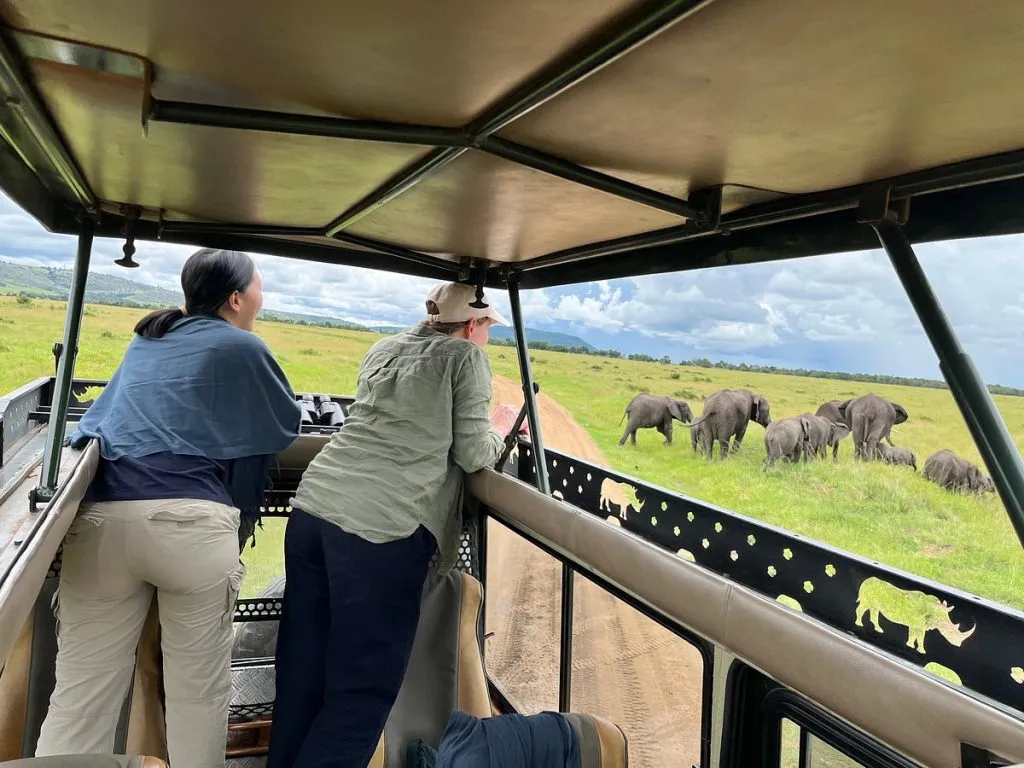
Elephants are one of the most common sightings of a “Big Five” wildlife in the Masai Mara, elephant is the largest land animal on the planet. At its largest, the elephant can grow up to seven and a half meters long, almost three and a half meters high and can weigh up to six tons. Despite being threatened by poachers for its ivory tusks, the African elephant population in the Mara has grown in recent years. This incredibly intelligent and sociable animal is known for having strong family ties. They are matriarchal, which means they live in female-led groups.
Generally the matriarch is the largest and the eldest elephant of the group, she leads a multi-generational herd of females, known as cows, and their offspring. The adult male elephants usually live on their own, but occasionally they will form small groups of their own. Family units are made up of approximately ten elephants. Sometimes however, several family units get together to form a “clan” of up to 70 elephants, led by a single female elephant. Elephants live on a diet of grasses, fruits, roots and bark and can eat up to 300 pounds of food per day.
-
Leopard (Panthera pardus)
Leopards are graceful and stealthy. There is a large population of leopards in the Masai Mara. Leopards are however very elusive (and not always easy to spot). They are one of the species on the IUCN Red List, listed as vulnerable. Leopards are on the IUCN Red List because of the loss of their habitat and human encroachment.
These big cats are shy night-time hunters and tend to hunt on their own. Adult leopards live in solitary life and only get together with other leopards during mating. Leopards live in wooded savannahs and rocky outcrops. There is also a very good chance you will spot one perched up in the a tree.
-
Rhino (Rhinocerotidae)
Kenya is home to both the white and black rhinos. The white rhino is commonly seen (especially near Lake Nakuru). Of the two, the black rhino is slightly smaller and more aggressive than the white rhino. In reality there is very little color difference between the two. Although the Mara is home to a fairly impressive black rhino population especially in the Mara Triangle area, it is not very likely that you will encounter rhinos during your Masai Mara Safari.
There are 35-50 black rhinos living in the Masai Mara at any given time. They cross over into the Serengeti from time to time as well. Most black rhinos live solitary. The only strong family. The only strong family tie between rhinos is between a mother and her calf. They have poor eyesight, which might explain why they are ready and wired to charge at anything moving for no good reason. They do however have a very good sense of hearing and smell. Black rhinos can live to become 3-5 – 40 years in the wild.
-
Cape Buffalo (Syncerus caffer)
The Cape Buffalo also known as African Buffalo is one of the most dangerous animals in East Africa. Lone males in particular can be aggressive, unpredictable and weigh approximately 800 kilograms. A dangerous combination. Female buffaloes protecting their young are also extremely aggressive. Buffaloes are generally found in herds of approximately 100 individuals or more in Masai Mara. Cape buffaloes range near water sources, especially during the dry season.

Masai Mara Great Migration
The Great Migration in Masai Mara is another attraction, this annual trek from the Serengeti to the Masai Mara by millions of wildebeests, zebras and gazelles is an incredible sight to see. The animals embark on their trek from the Serengeti around July and August and start arriving in the Masai Mara around the same time. One of the dramatic legs of this quest is the crossing of the infamous Mara River. During the river crossing the herd animals encounter the perils of crocodiles lying in wait for an easy meal.
Come October, the throngs of animals slowly head back to the Serengeti. Naturally nature lives by its own timetable. There is therefore no way to know the exact dates that the migration will occur in any given year. However, the best months to view the migration in the Masai Mara are September and October. Overall the best months for spotting wildlife in the Mara Ecosystem is from June to October.
Masai Mara birdlife
Masai Mara National Park is home to over 500 bird species living in the region. There are 57 different species flying around the Masai Mara. Masai Mara birds include Bateleur Eagle, Kori Bustard, Fischer’s Lovebird, Abdim’s Stork, Purple Grenadier Red-throated tit, Ross’s turaco, Rosy-throated longclaw, Rufous-bellied heron, Rufous-throated wryneck, Saddle-billed stork, Schalow’s turaco, Secretary bird, Silverbird, Southern ground hornbill Swahili Sparrow, Tabora Cisticola, Temminck’s Courser, Usambiro Barbet, White-bellied go-away bird. Woolly-necked stork, Yellow-mantled widowbird and Yellow-throated sandgrouse, among others are easily be spotted.
The wildlife in the Masai Mara amaze African safari enthusiasts. You can literally spot animals and more every few meters while on a Masai Mara National Reserve Safari. While a 1 Day Masai Mara National Reserve safari is available, a 3 Days Masai Mara is a great option. This 3 days Kenya safari package to Masai Mara allows you an opportunity to explore the vast plains of the reserve.